Marine Protected Areas: for dynamic protection of the Ocean
Faced with growing pressures on the Ocean, Marine Protected Areas appear more essential than ever. However, many of them remain ineffective, stuck within spatial and temporal boundaries that are not adapted to the dynamics of the marine environment. The scientific community is calling for a rethink of how Marine Protected Areas operate, and we support this ambitious vision: truly dynamic MPAs based on science, innovation and the involvement of local communities.
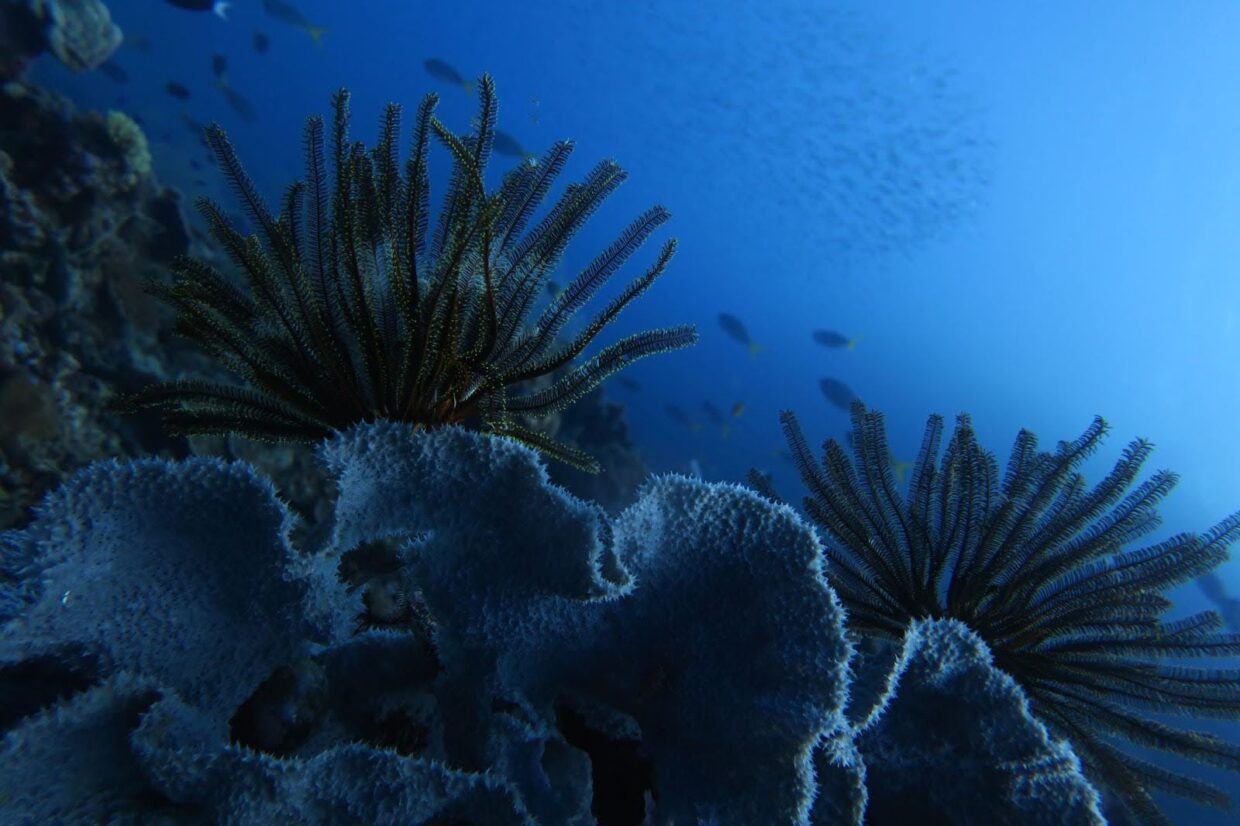
What is a Marine Protected Area (MPA)?
A Marine Protected Area (MPA) is an area of the ocean where human activities are regulated in order to preserve biodiversity, habitats and marine resources.
They can take various forms: sanctuaries, fishing reserves, marine nature parks, etc.
Their objective: to protect marine life, restore ecosystems and ensure sustainable use (fishing, tourism, scientific research).Today, approximately 8.4% of ocean basins have MPAs. But behind this figure lies a worrying reality: many of them are ‘marine parks on paper’, ineffective due to a lack of resources, monitoring or because they do not take into account the dynamic nature of the ocean.
Why are MPAs essential?
The ocean regulates the global climate (carbon sink, thermal balance).
We depend on the ocean for some of our essential needs: food, culture, economy, etc.
However, 66% of the ocean surface is subject to increasing cumulative pressures (overexploitation of resources, multiple forms of pollution, warming, acidification, and the proliferation of invasive species).
As a result, much of marine biodiversity is collapsing: according to the Living Planet Index, populations of monitored species have fallen by 73% between 1970 and 2020. It is estimated that of the total number of existing species, between 11% and 78% have been discovered and described, but 56% have undergone a significant decline. Marine species are therefore the third most affected group, after freshwater species (85%) and terrestrial species (69%).
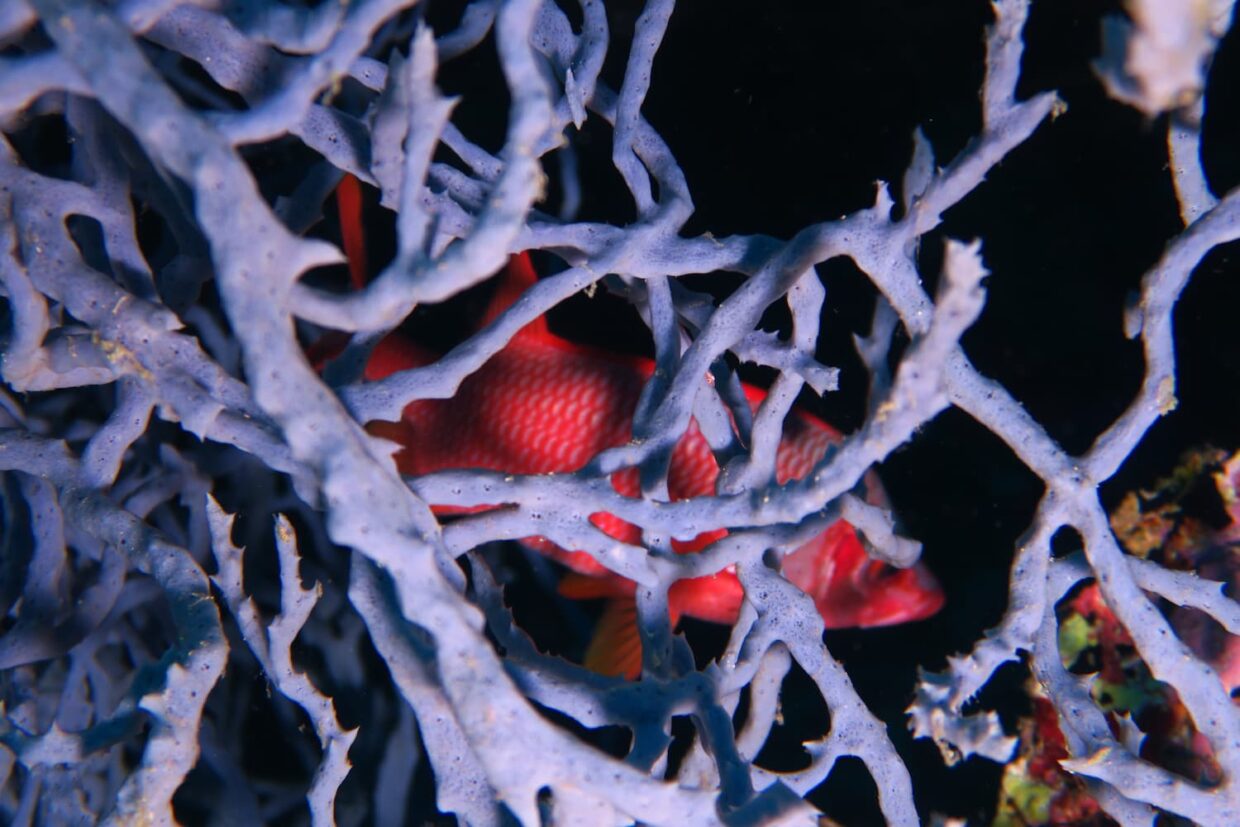
MPAs could be effective tools for protecting biodiversity and achieving the goal of restoring 30% of marine ecosystems by 2030, as set by COP15 of the Convention on Biological Diversity. However, their current functioning is too rigid to meet the challenges.
6 recommendations for effective MPAs
An article published on 26 September 2025 in Nature npj Ocean Sustainability [Esteban-Cantillo et al.], with André Abreu, Director of International Affairs at the Tara Ocean Foundation as a contributor, highlights a major limitation: most current MPAs are fixed in space and time.
However, the ocean is alive, changing, and in motion: currents, species migration, climate impacts, etc.
Scientists propose recommendations to make MPAs truly effective by following the rhythm of the ocean, taking into account its biological, physical and social dynamics.
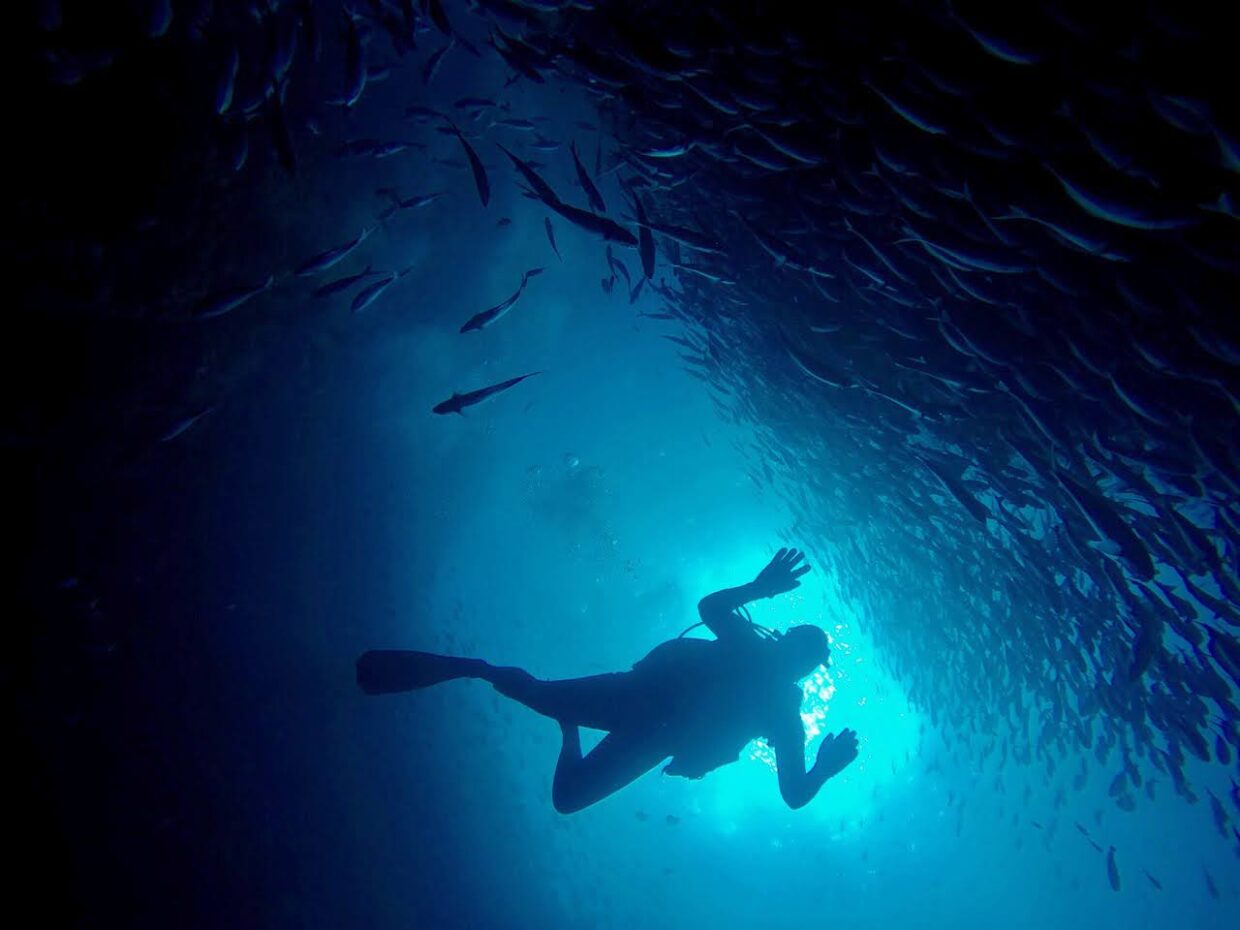
Here are the six recommendations:
- Combine spatial and temporal protection
→ Create dynamic MPAs that evolve with species migrations, reproductive cycles, nutrients (iron, manganese, nitrates) or climatic variations (temperature, oxygen, acidification).
- Integrating ocean dynamics
→ Recognise that marine ecosystems are interconnected and change faster than terrestrial ecosystems. Conservation rules must therefore be adapted using robust and innovative science to take account of a complex ecosystem.
- Legal recognition of ecosystems
→ Granting rights or legal personality to certain marine habitats to strengthen their protection against economic interests, as is the case with the Whanganui River in New Zealand.
- Protecting vital functions as well as species
→ Do not limit yourself to species diversity: functional diversity, associated with essential functions such as carbon sequestration, must also be taken into account. This requires the inclusion of genetics and genomics, as well as new techniques in microscopy, bioinformatics and artificial intelligence. Genetic diversity and the ecological roles of species within an ecosystem must therefore be taken into account in order to better protect it.
- Promoting other “relationships with living things”
→ Involving local communities and indigenous peoples in order to integrate their social and cultural values, beyond purely economic considerations and prior to defining the areas to be protected, in the definition and management of protected areas.
- Innovating in science and governance
→ Develop innovative tools for integrating high seas areas through the new BBNJ treaty, with a knowledge base tailored to high seas ecosystems.
→ Consider reducing plastic, chemical and climate pollution as an urgent necessity to enable the effectiveness of MPAs.
The fundamental role of plankton, which has been overlooked in conservation strategies to date despite being at the base of the food chain and carbon cycle, is one of the key points that must not be neglected in order to establish effective MPAs.
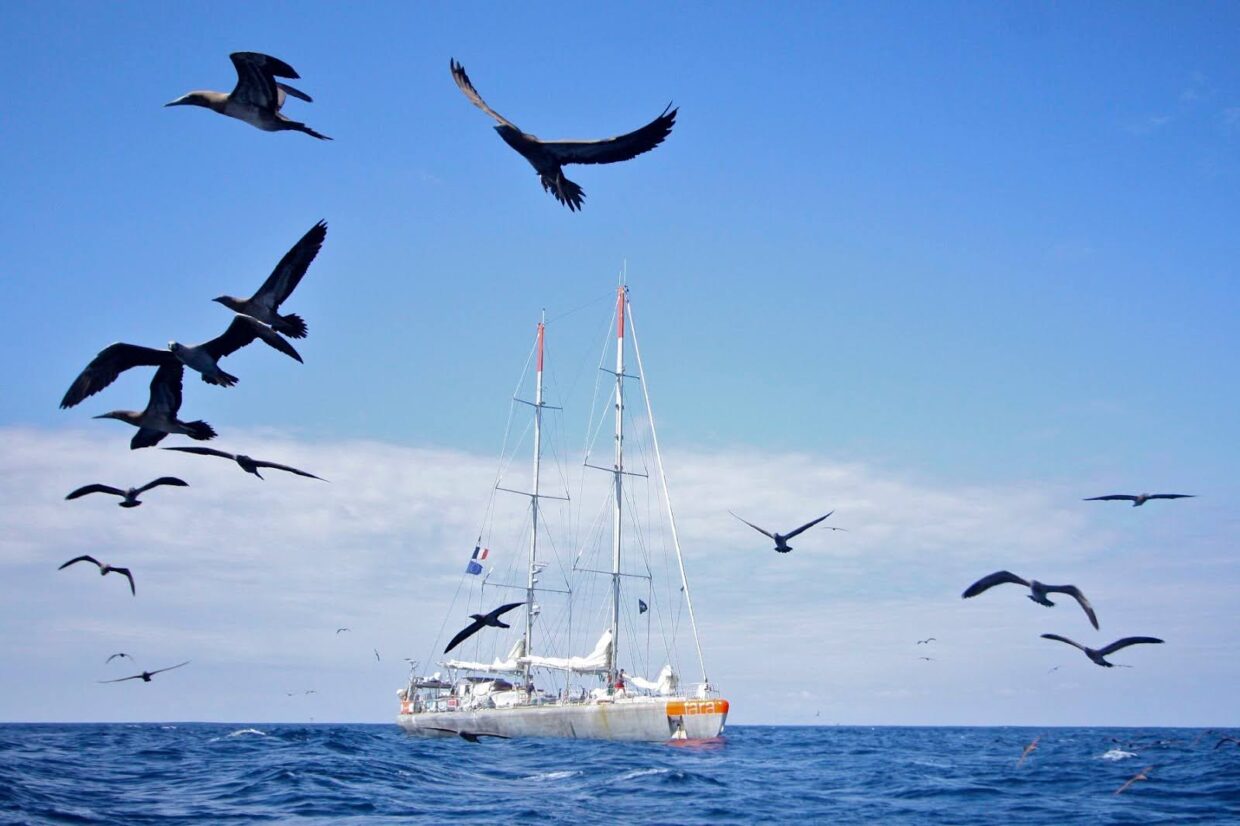
Our advocacy for truly effective MPAs
At the Tara Ocean Foundation, we make the following recommendations to international bodies:
- COPs of the Convention on Biological Diversity (CBD): we advocate for the criteria defining ecologically or biologically significant areas (EBSAs), an essential tool for defining and mapping areas to be protected, to be revised to include ocean dynamics and the role of plankton.
- 30×30 target (protecting 30% of the ocean by 2030): we warn that this target cannot be limited to figures alone. The actual effectiveness of MPAs must be measured.
- High Seas Treaty (BBNJ): we advocate the implementation of new forms of governance allowing the creation of MPAs beyond national jurisdictions, i.e. on the high seas (the area beyond 200 nautical miles (approximately 370 kilometres) from the coastline constituting the Exclusive Economic Zone (EEZ) of States, corresponding to approximately 71% of the ocean’s surface area, no less than 50% of the planet’s surface).
- BRS-M* Conventions – Plastic Treaty: we advocate that the objectives of these texts must be consistent with the objectives of preserving the biosphere and marine ecosystems in particular.
- At national and local level: we support pilot projects for adaptive marine areas, developed jointly with coastal communities and scientists.
Our vision: dynamic MPAs capable of protecting marine ecosystems as a whole (species and their biological functions, which are sometimes invisible but vital to the ocean).
Marine Protected Areas are an essential tool for preserving marine biodiversity. However, they must evolve: moving from a static approach to dynamic protection, reflecting the ever-changing nature of the ocean.
*BRS BRS-M: Basel (Convention on Waste), Rotterdam, Stockholm (supplementary conventions on persistent organic pollutants, including pesticides, PBBs, PCBs) and Minamata (mercury)