May 2026
Isabelle Daëron
- Design
- Drawing
- Tara Coral
Villa Kujoyama Micro-Residence / Water Calling
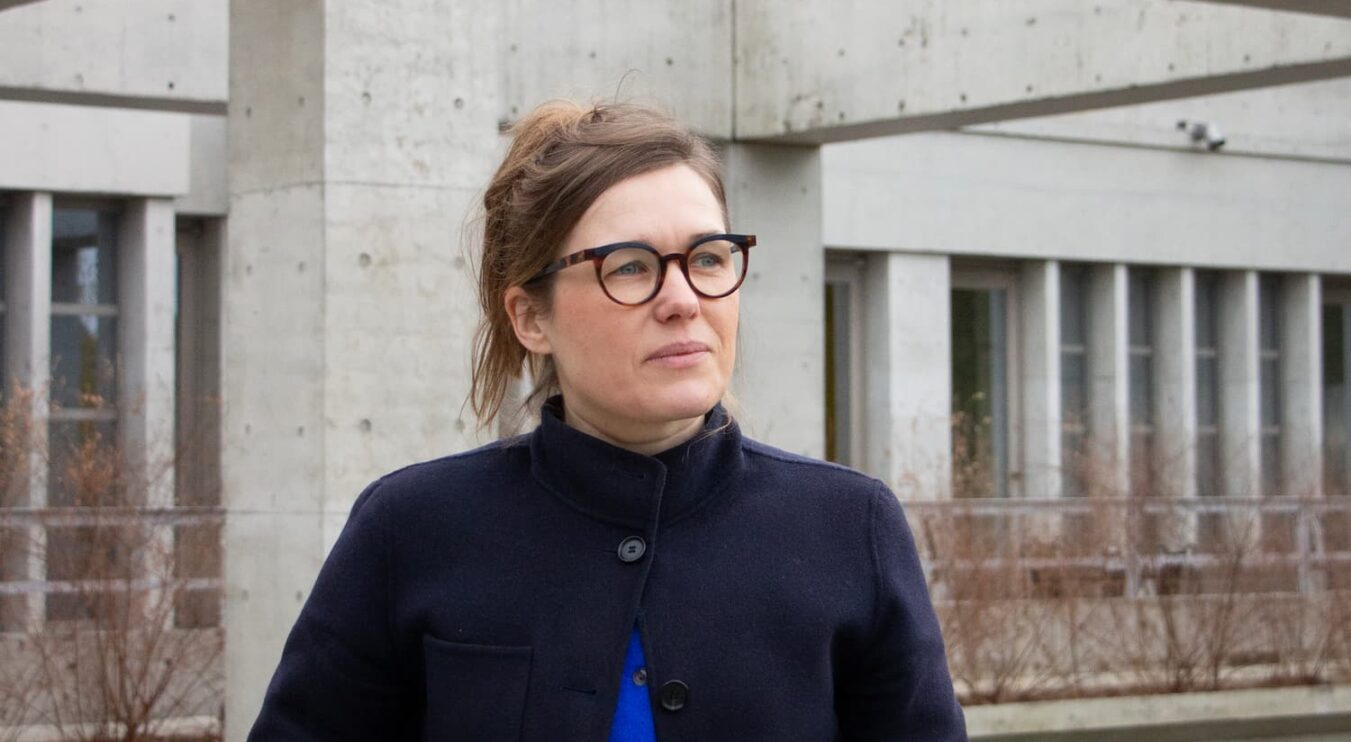
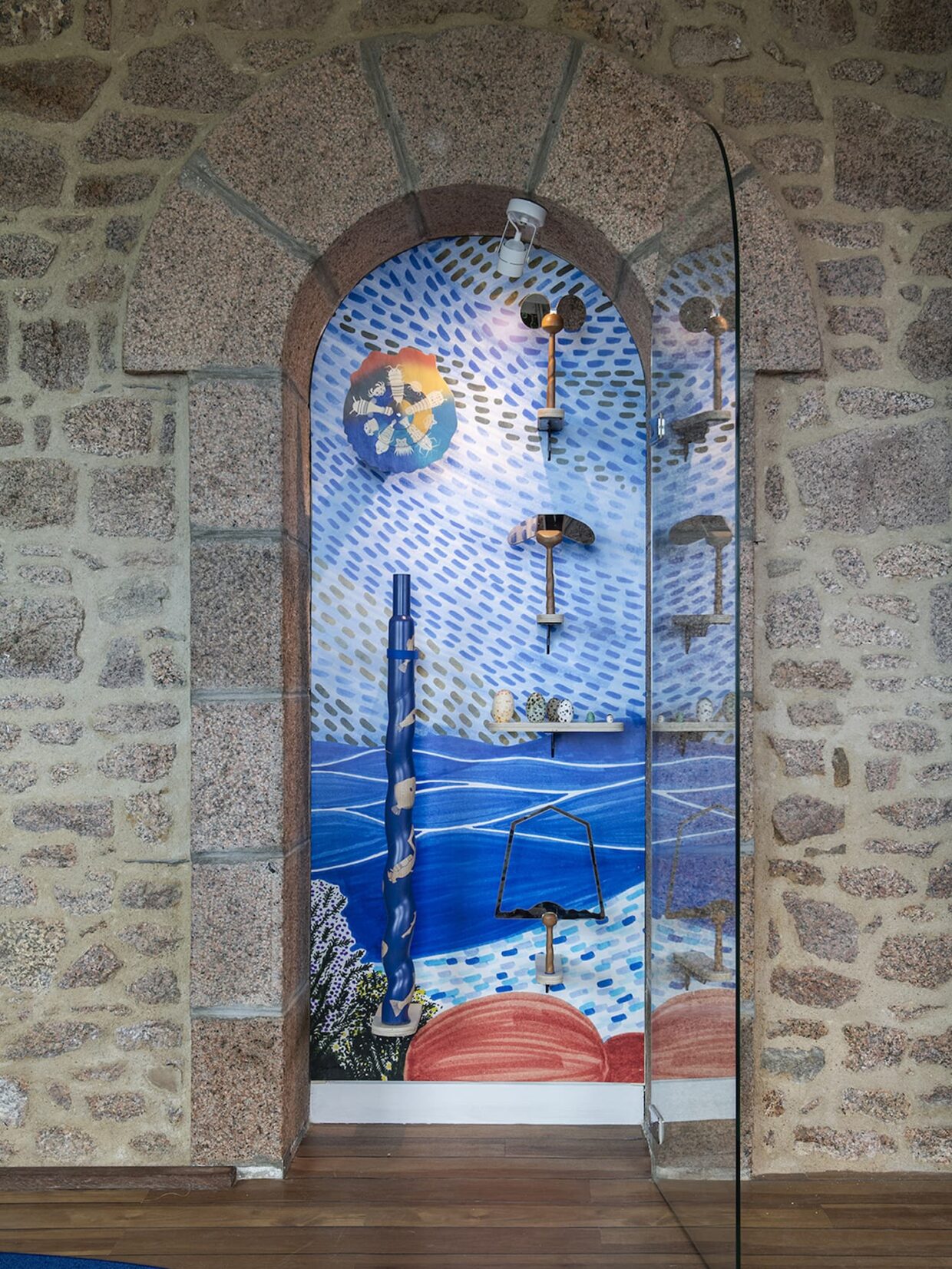
Designer and artist, born in Plœmeur (Brittany, France), Isabelle Daëron lives and works in Paris. Isabelle Daëron creates objects, spaces, and installations inspired by a deep reflection on natural environments and flows—water, wind, light—applying her insights to urban and landscape design. Her drawing and storytelling practices open up imaginative and sensory understandings of environments and their resources.
Isabelle Daëron
Notably, she has worked on the revalorization of Paris’s non-potable water network (2015–2020) and the mythological storytelling of the Perros-Guirec coastline through Celtic legends (2021–2023).
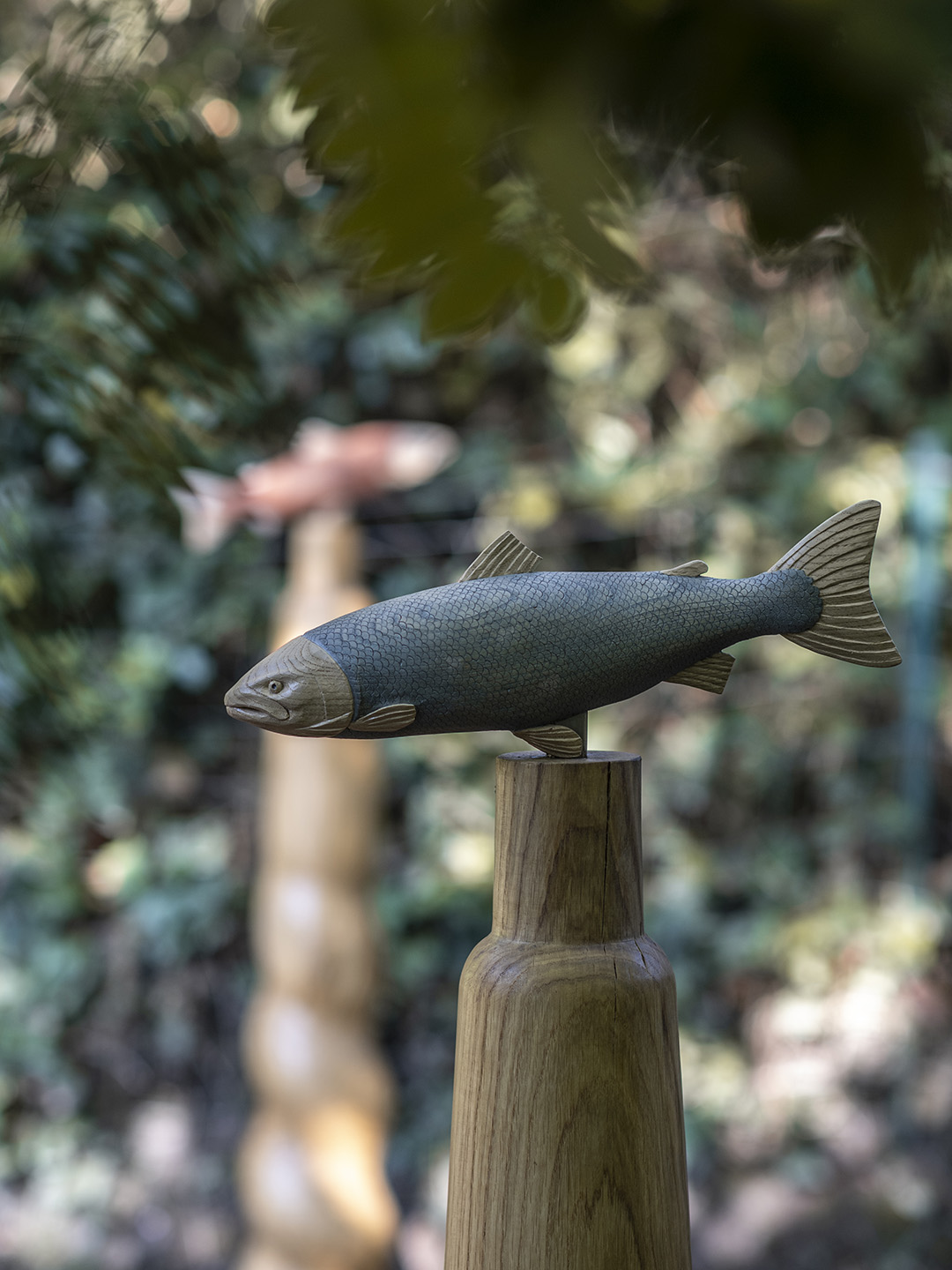
Her research on flows has led her to design permanent public artworks, such as Topique-vent: Anémochories, stone sculptures embodying the wind at the Olympic and Paralympic Village in Saint-Ouen and Saint-Denis (2024), and Murmurations, two installations for Nelson Mandela Park in Lyon (2026).
Isabelle Daëron’s work has been exhibited in France—at the Saint-Étienne International Design Biennale and the “Conversation(s)” exhibition at the Musée d’Art Moderne de la Ville de Paris—as well as internationally, including the Milan Triennale, Helsinki Design Week, CCA Kitakyushu in Japan, and the Grand Hornu, among others.
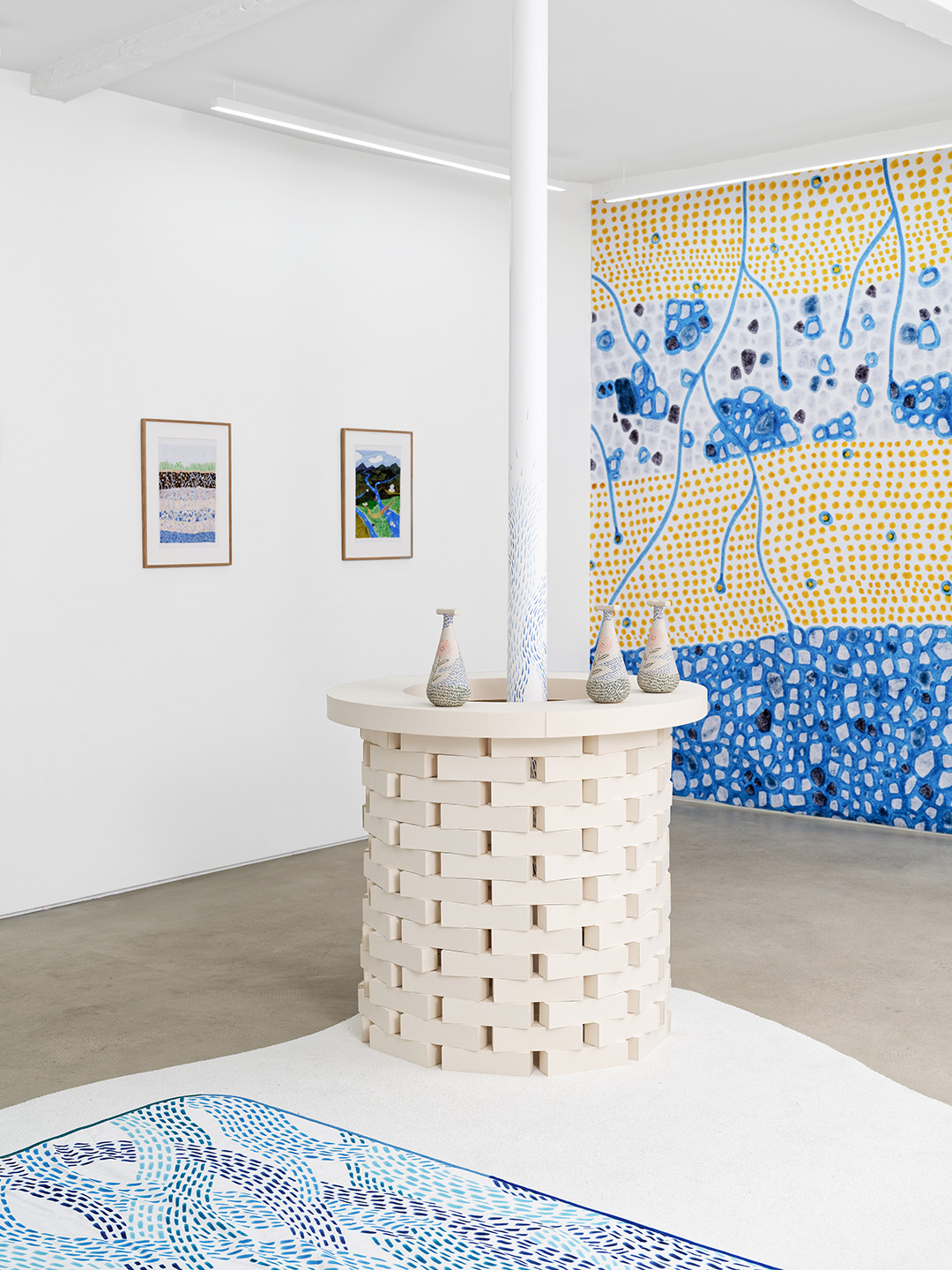
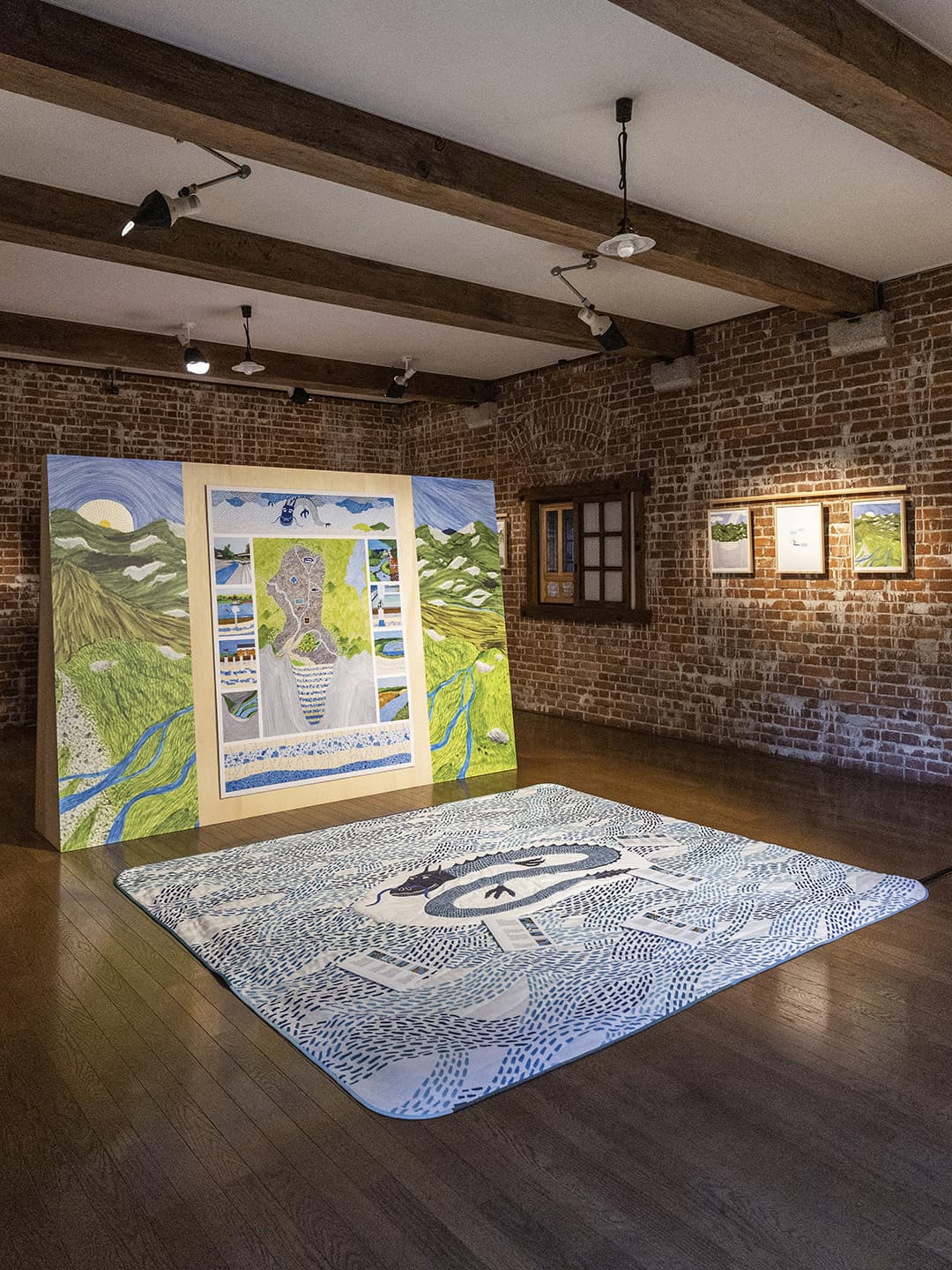
From 2022 to 2025, she conducted research on Kyoto’s groundwater in collaboration with curator Yoshiko Nagai. Through a book, a map, exhibitions, and conferences, the Water Calling project aims to narrate the evolution of groundwater and its uses.
Awarded residencies at Villa Kujoyama (2026), the Triennale Art Public (2025), and “Mondes Nouveaux” (2021), she founded Studio Idaë, a multidisciplinary creative agency focused on research and education around urban, environmental, and societal issues of the ecological transition. Her work is represented by Galerie Pavec in Paris.
The project
“In Japanese mythology, Ryujin, the god of water and the sea, takes the form of a dragon. He lives at the bottom of the ocean, in a palace made of red and white coral, the Ryūgū-jō. Participating in the voyage between Tokyo and Onomichi is, for me, an opportunity to explore Japanese underwater narratives and representations, continuing the research I began at Villa Kujoyama on groundwater and the symbolic dimension of the subsurface. On board, I would like to collect—through audio recordings and drawing—testimonies and projections about the subaquatic environment, in order to create a contemporary narrative of the Ryūgū-jō.
The second part of my research will focus more specifically on the influence of runoff waters on the quality of coastal water (color, temperature, salinity, etc.), particularly the differences between the coastlines of Honshu and the Seto Inland Sea. This work could continue through cross-perspectives, from land and sea, between Japanese fishermen from the ports we visit and the Tara crew. At the end of this residency, I aim to produce a map and a publication.”
Discover some of his creations inspired by life aboard Tara:
A venir