Tara Polaris I 2026-2027
Understanding the state of the Arctic and its unique biodiversity
Watch the Boat Tour
In brief
10 consecutive expeditions, until 2046
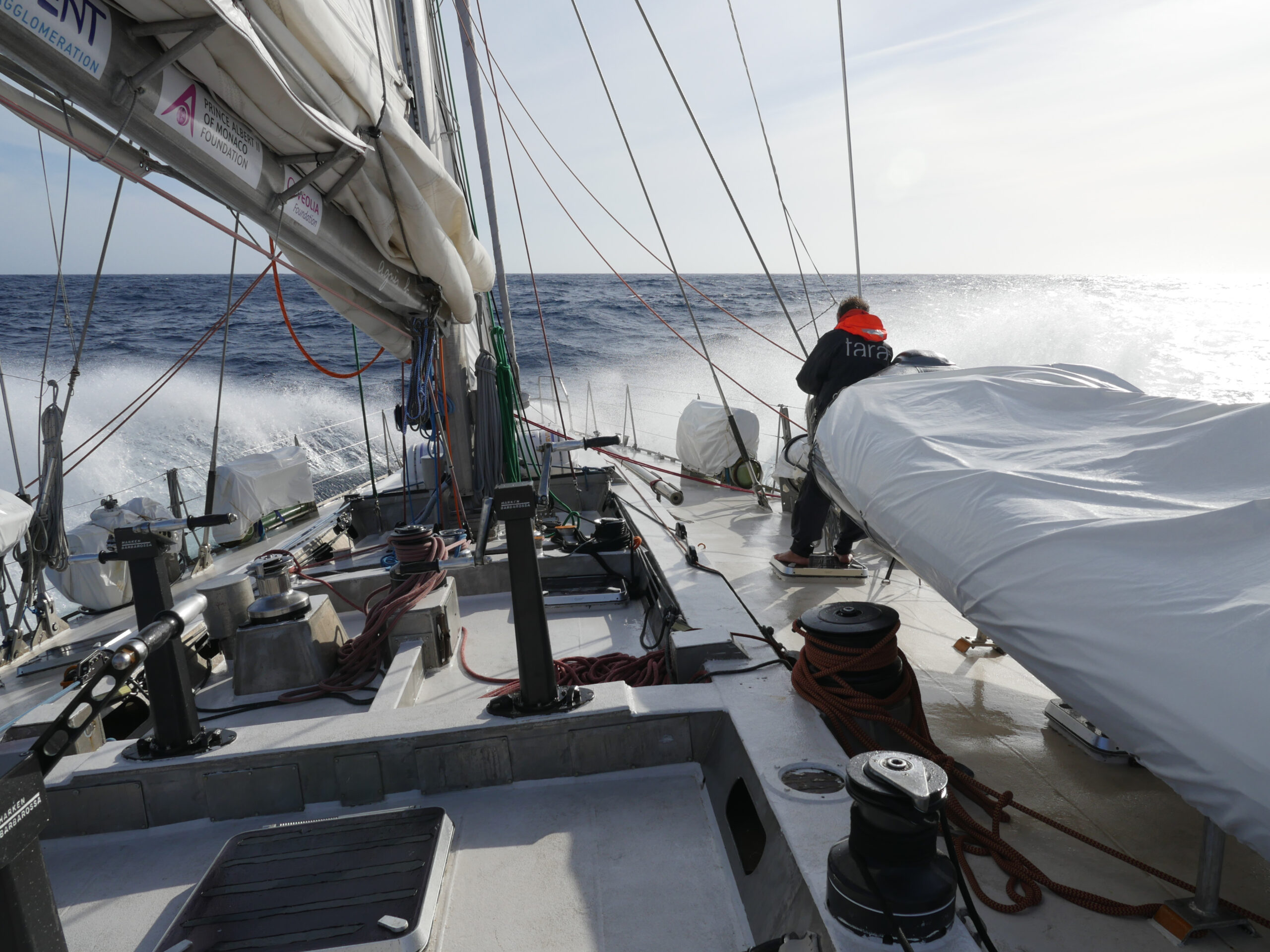
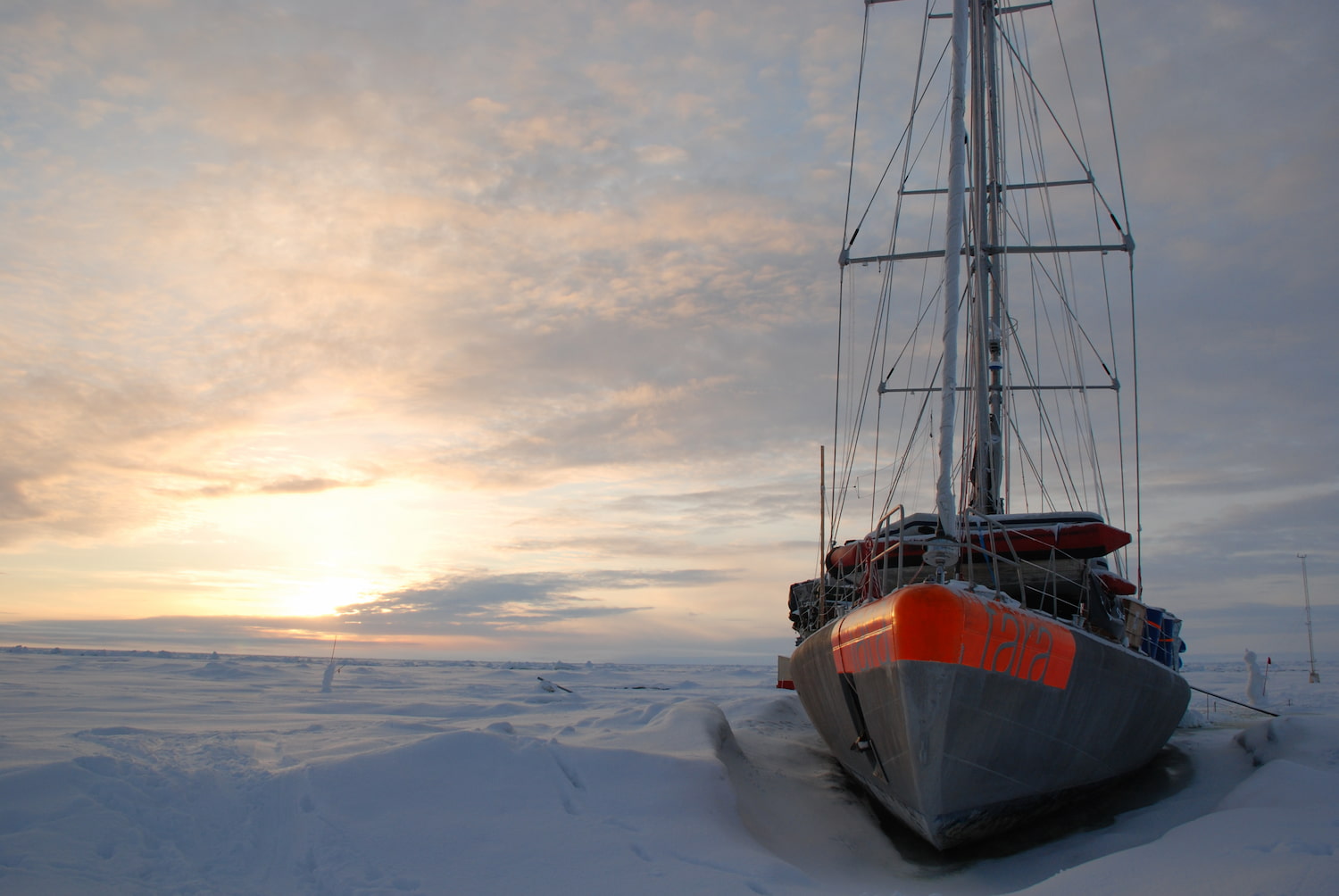
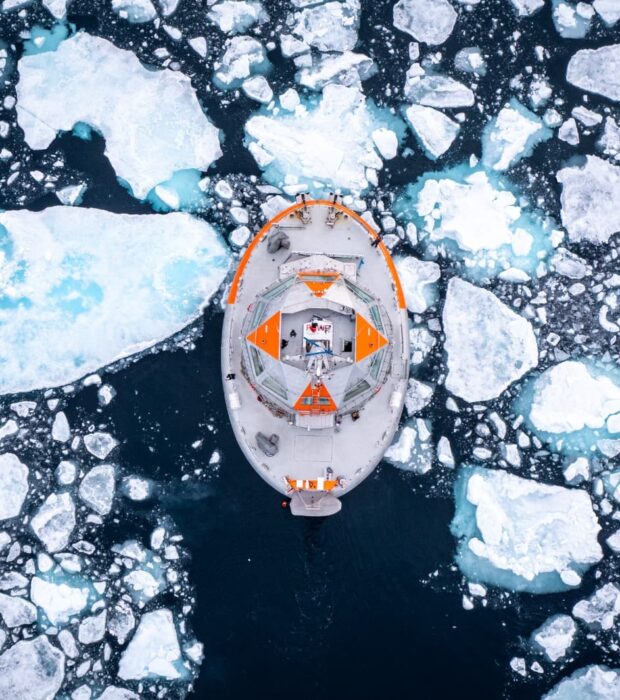
Tara Polar Station, a unique long-term observatory and laboratory studying the Central Arctic Ocean launches its first expedition Tara Polaris I in 2026. The scientific vessel can embark up to 18 people, among which scientists, sailors, journalists and artists.
-
20 yearsArctic research
-
10expeditions
-
18month in the Arctic per mission
-
90%of the time locked in ice
Marcel Babin, Scientific Director of Tara Polaris I
The Central Arctic Ocean is a remote and extreme environment which we know little about. How living organisms face the extreme seasonality of light, temperature, sea ice and ocean dynamics and
how they survive is unknown.This unique ecosystem has been increasingly threatened by global warming and pollution.
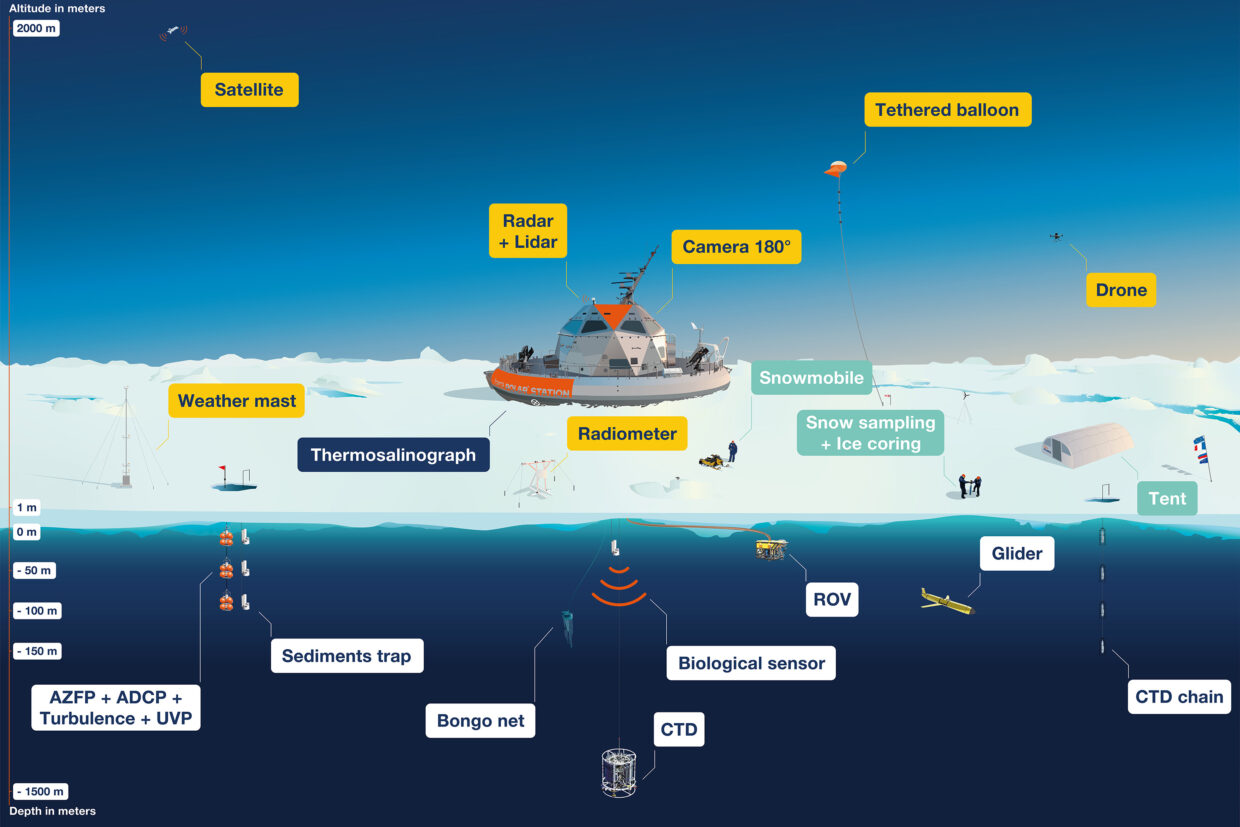
Tara Polar Station is a drifting base equipped with 5 laboratories and drones including a marine Remotely Operated Vehicule (ROV), a rosette sampler and a full range of atmospheric and underwater sensors. They will continuously observe the surrounding environment.
Tara Polar Station will be deployed for at least two decades starting with the first expedition Tara Polaris I. For each expedition, there is three scientific legs (winter, spring and summer) during which scientists from around the world have access to 5 laboratories: a wet lab for manipulating samples (including ice cores); dry labs with instrumentation; labs dedicated to on-site experimentation. To understand the biology of this unique ecosystem, a full set of instruments is deployed to study the physico-chemical interactions between the atmosphere, the surface layer of sea ice and the underlying Ocean. A series of microscopes, cytometers and other instruments for advanced cellular biology allowing experimentation with living organisms and observation of intracellular phenomena, as well as tools for DNA sequencing are also on board.
The Arctic, the sentinel of climate change
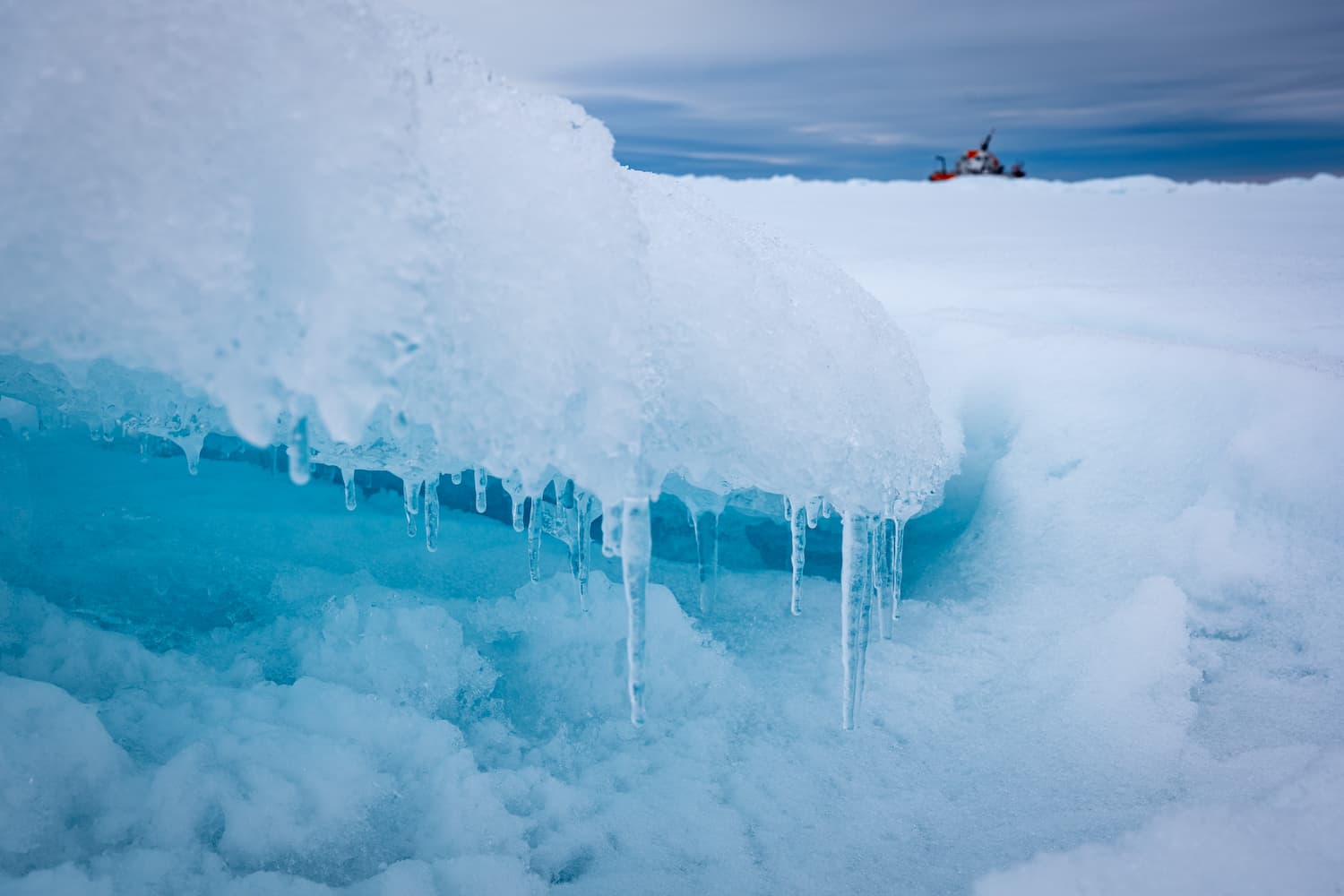
In recent decades, the Central Arctic Ocean has been increasingly threatened by global warming and human-induced pollution. The rapid pace of change and the fact that what happens in the Arctic has an impact on the entire planet make the Arctic our sentinel of global changes. We absolutely need observations to better understand these phenomena and track dynamics from year to year.
The results will refine climate models predictions and help improve governance policies for the Arctic and the global Ocean.
Understanding and protecting the Arctic
The Arctic is at the forefront of the climate crisis and largely threatens by human-induced pollution. These rapid changes are having significant impacts
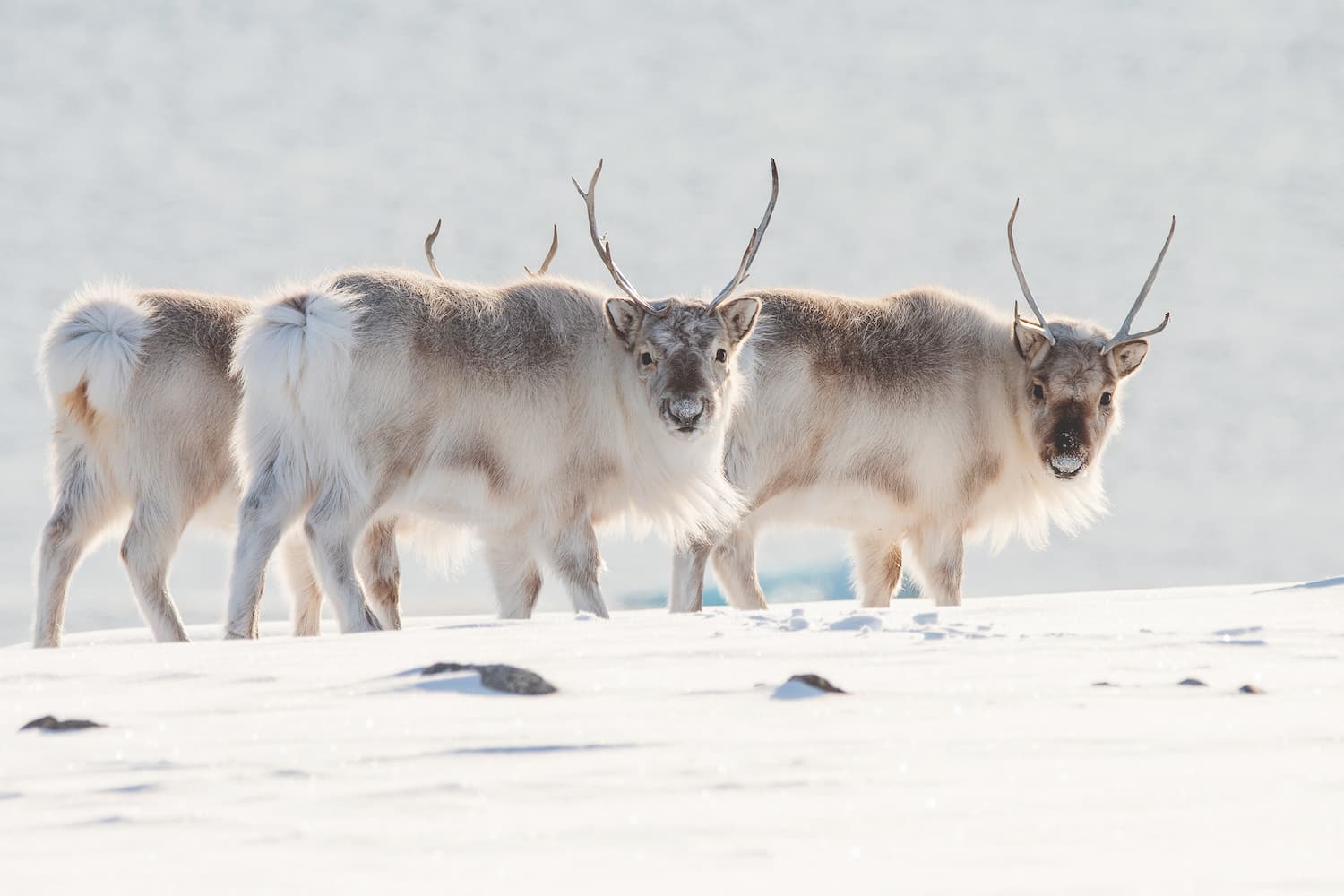
on ecosystems and the organisms at the base of the region’s food chain, such as plankton, as well as on iconic mammals (polar bears, Arctic foxes, belugas, narwhals and seals).
Tara Polaris research programme is essential to understand the state of the Arctic and inform decision-makers through scientific evidence.
Better understanding the impact of climate change in the Arctic and on the rest of the planet
Improve knowledge of biodiversity on Earth by exploring regions that are currently inaccessible
Reveal the unique adaptations that have evolved to enable life in this extreme environment
Analyse the consequences of sea ice melt and pollution on these unique and fragile ecosystems
Discover new molecules/species/processes with new potential applications
Support the implementation of monitoring and conservation tools (e.g. an extended moratorium) through bi-yearly reports
Team
Scientific consortium
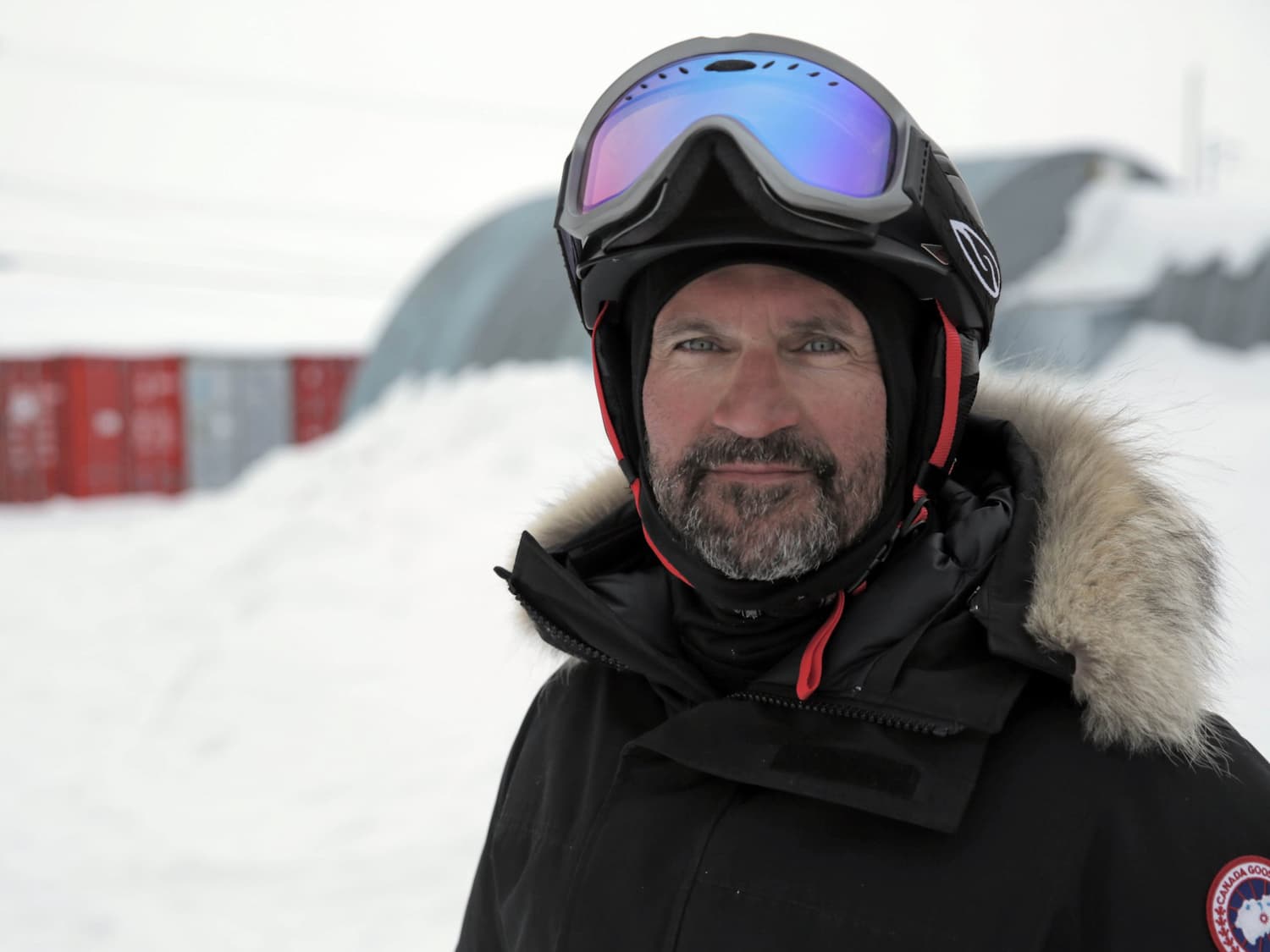
Marcel Babin
Scientific Director of Tara Polaris I – Oceanographer, Laval University / CNRS
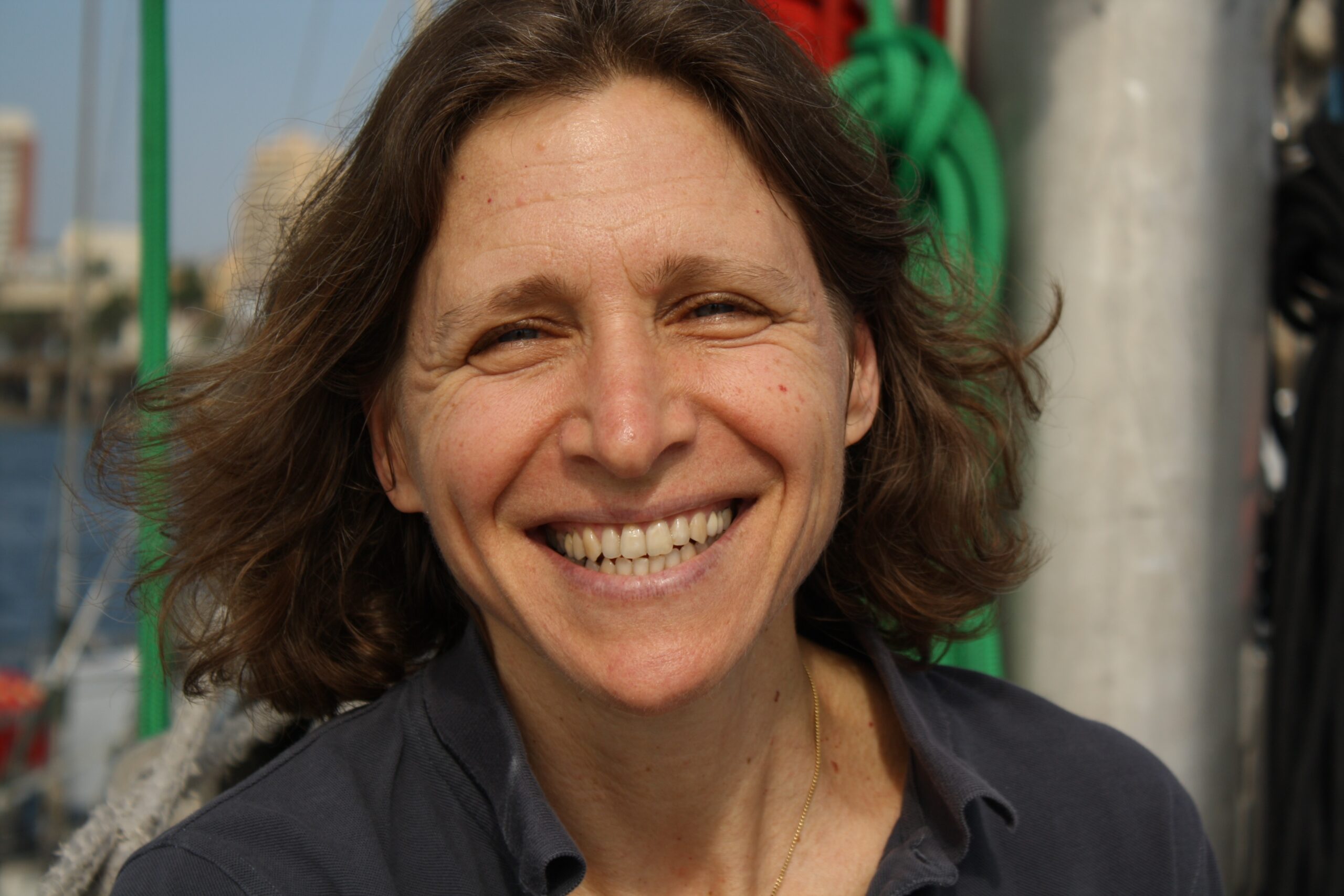
Lee Karp-Boss
Biological oceanographer
Co-Director of Tara Polaris I

Chris Bowler
Phytoplankton biologist
Co-Director of Tara Polaris I
Scientific publications
News
News from the Tara Ocean Foundation