

Tara Coral 2026-2028
Understanding the resistance of Coral Triangle corals to global warming.
In Brief
An expedition to the heart of the Amazon Ocean
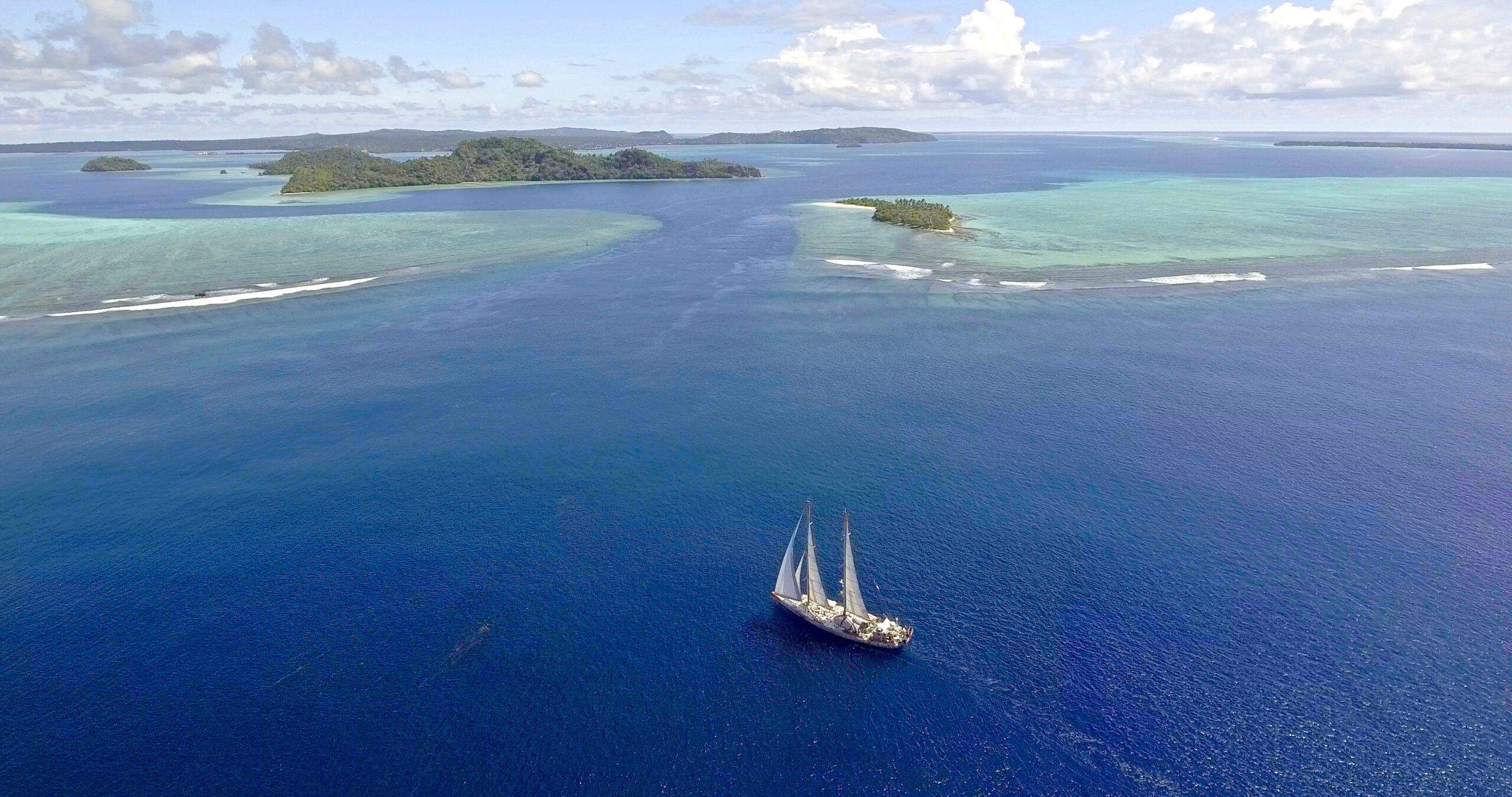
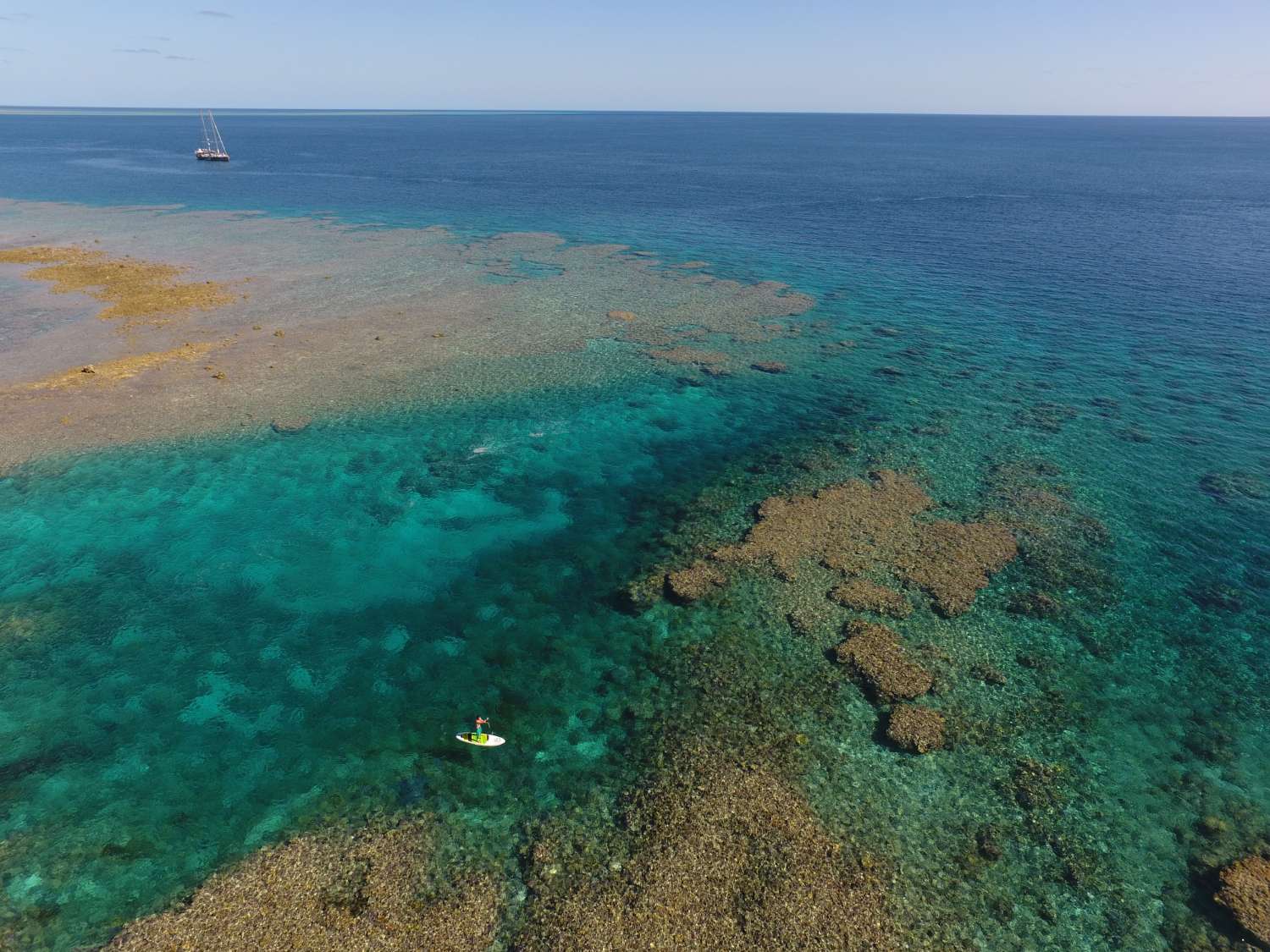
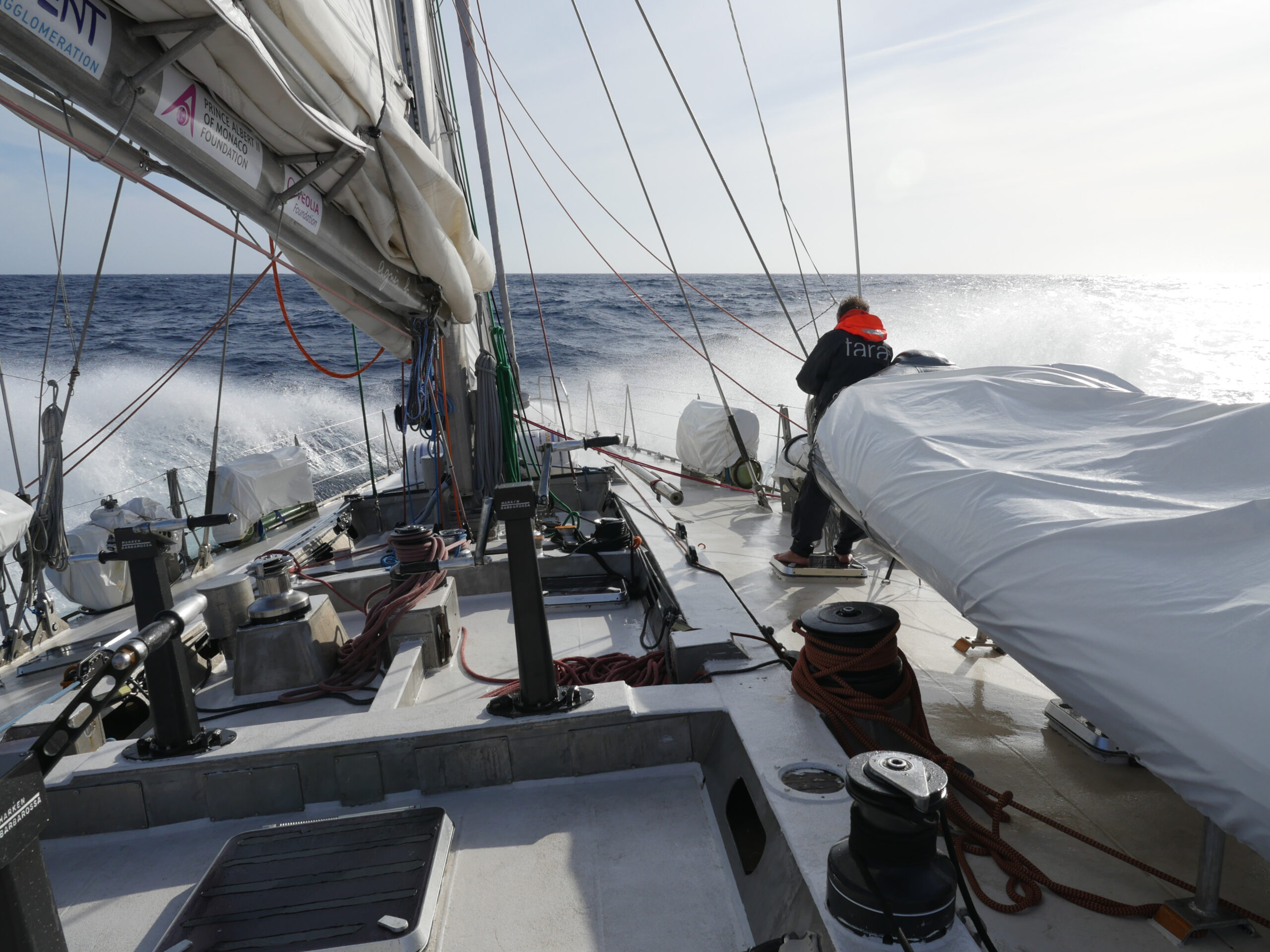
Ten years after the launch of Tara Pacific and in a context of increasing coral bleaching, the scientific schooner Tara is leaving its home port of Lorient for its next expedition: Tara Coral. For 18 months, Tara will navigate through the Coral Triangle ; the true Amazon of the Ocean, to understand why and how certain corals withstand global warming, and to help guide future coral conservation strategies.
-
18months of expedition
-
30 000NM or approximately 50,000 km
-
26stopovers
-
6 countries
-
10sampling sites (2 reefs studied per site)
-
1440scientific dives
Paola Furla, Scientific Director, University of Côte d’Azur
“Unlike previous studies conducted at the global or basin scale, Tara Coral focuses on the only major reef region where hard coral cover has remained relatively stable despite strong warming trends. This provides an extraordinary natural laboratory for identifying the mechanisms of resilience.”
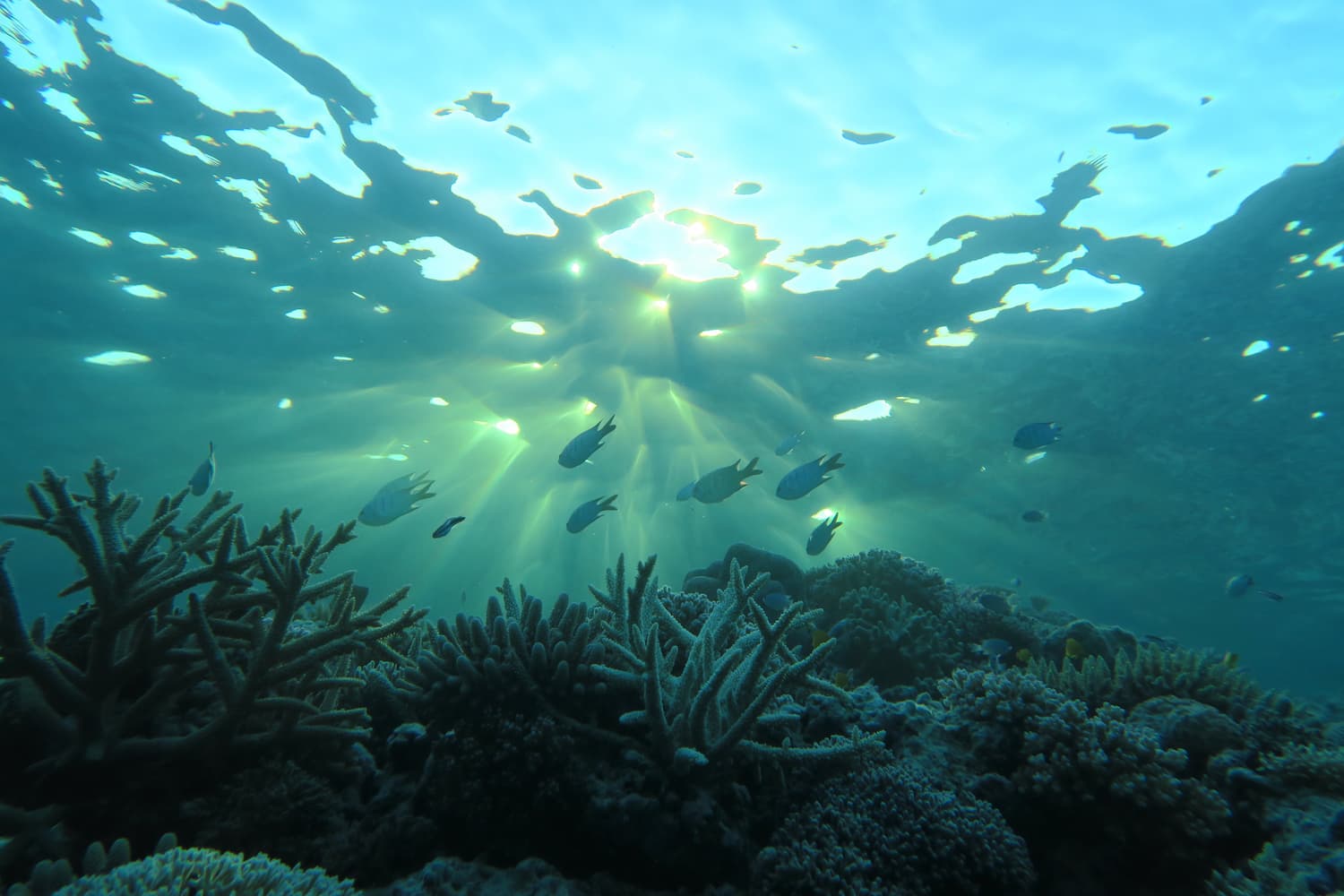
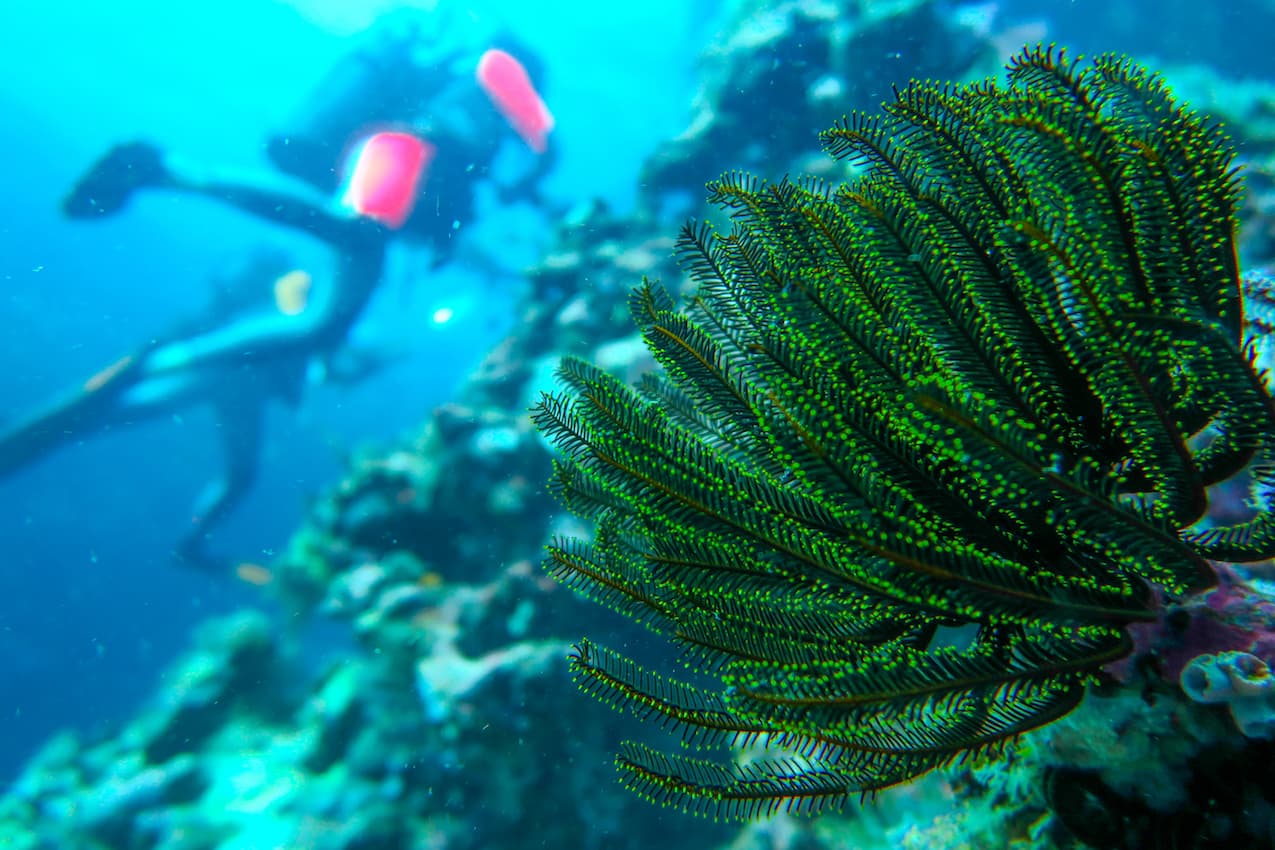
This region of the western Pacific is a true biodiversity hotspot because it contains one-third of the world’s coral reefs and harbors exceptionally high diversity, including about three-quarters of all known coral species (approximately 600 species).

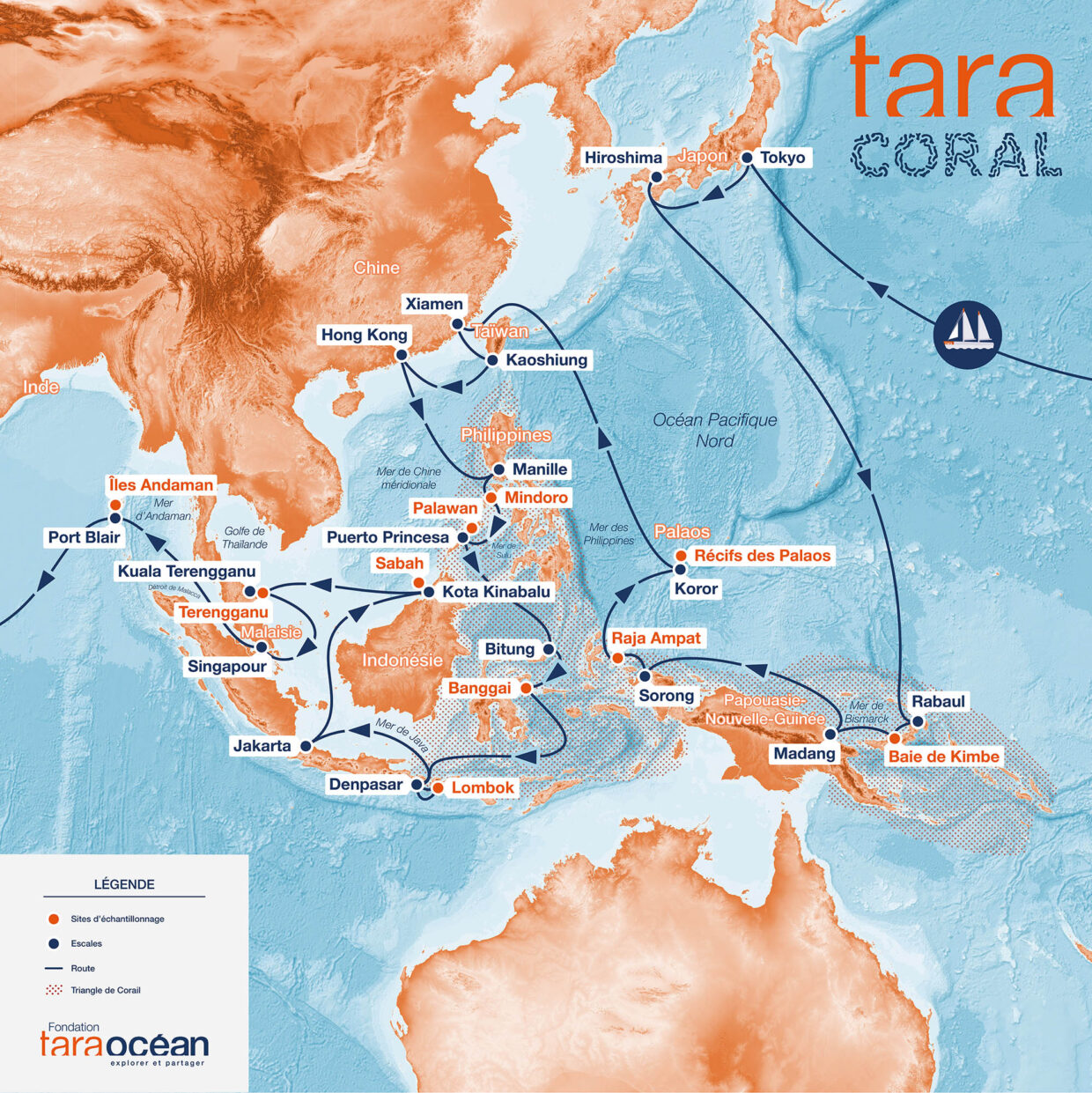
Tara will depart from France on December 14th, and the scientific expedition is scheduled to start in May 2026 until November 2027 to conduct marine scientific research in the Coastal States of the heart of the Coral Triangle : Indonesia, Malaysia, Papua New Guinea and the Philippines, and outside of the Coral Triangle in Palau and India.
Objectives
Unraveling the secret of resilient corals
Tara will remain 35 days at each of the 10 planned sampling sites, and the scientific teams will adopt a holistic approach to the ecosystem, focusing on four coral genera (with complementary analyses to characterize the biodiversity at large) : Acropora, Millepora, Porites, and Pocillopora.
A comprehensive approach is essential in order to understand which species exist, how they adapt, and how they interact with each other and with their environment. To this end, the scientific work is organized into four components supported by a comprehensive, multi-method field protocol.
Description of the environmental context
Environmental DNA (eDNA) sampling to describe the overall biodiversity of the reef using a sampling robot, and photogrammetry to describe the 3D structure of the reef.
Characterization of the complexity of the coral holobiont
Extensive sampling of coral species and associated habitats (coral fragments, algae, sediments, water, aerosols, and sponges) to generate diverse datasets that resolve holobiont structure and function, with a particular focus on symbiosis.
Characterization of heat stress resistance
Using a CBASS (Coral Bleaching Automated Stress System) system installed on board Tara, coral fragments from various colonies are placed in separate tanks and exposed to four different temperature levels (no heat stress, low, moderate, or high heat stress) in order to test the resistance of corals to heat stress and detect biomarkers of corals that are more resistant to bleaching. This provides a standardized diagnostic heat stress phenotype.
Geochemistry for paleoclimate and paleogenomics
Coring of massive corals to quantify growth parameters, reconstruct past climate, and analyze long-term genomic responses.
©Pete West – BioQuest Studios
Issues
A transdisciplinary expedition designed in local collaboration
One of the unique features of the Tara Coral expedition is its comprehensive scientific approach, which brings together a range of scientific expertise: divers, oceanographers, marine biologists, eDNA specialists, genomicists, bioinformaticians, microbiologists, photogrammetry specialists, microplastics specialists, paleoclimatologists, biochemists, modellers, and many others.
Tara Coral is the result of close local collaboration involving 67 scientists, 22 women and 45 men, from more than 40 scientific partners, including 11 from the Coral Triangle.
Strengthening conservation policies at the international level
Conservation issues will be given high priority by working alongside governments and local stakeholders to identify and protect those reefs that are most resistant to global warming. The Tara Ocean Foundation will organize several science-to-policy workshops during Tara Coral’s stopovers and will actively participate in international summits working to conserve coral reefs.
©François Aurat
Anticipated results
At the end of this expedition, it is expected that there will be a better understanding of the thermotolerance of corals and the resilience of reefs in the Coral Triangle area. This will enable the development of standardized protocols, the creation of open-access resources, the transfer of expertise to local stakeholders (local actors, scientists, managers, policymakers, educators), and the raising of awareness and mobilization of key players.
In the longer term, the aim is to strengthen reef protection and restoration capabilities in key biodiversity areas by identifying naturally resistant coral populations and analyzing the mechanisms, characteristics, and environmental conditions that underlie their robustness.
Team
All aboard the schooner
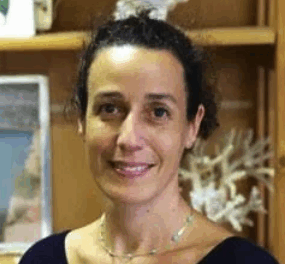
Paola Furla
University of Côte d’Azur
Serge Planes
School for Advanced Studies CNRS

Christian R Voolstra
University of Konstanz
News
Scientific news
4 November 2025
10 facts about coral: a marine organism essential to ocean biodiversity
Tara Oceans
An expedition to the heart of the biodiversity of the world of plankton, the ocean under the microscope.
Tara Pacific
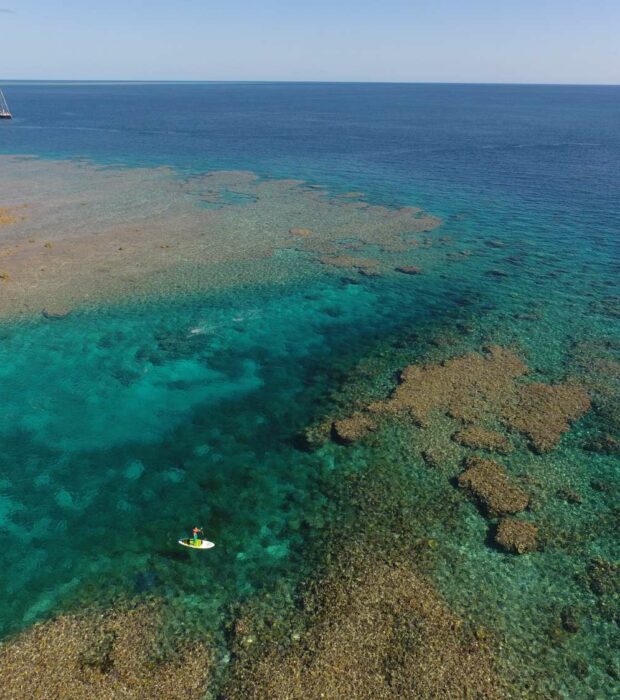
The biodiversity of coral reefs in the face of climate change and the pressures of human activity.