One Health: what links exist between human health, the health of other animals, plant health and the health of ecosystems?
The One Health concept is based on a holistic view of health, taking into account the interactions between the health of humans, non-human animals, plants and their environments. Understanding this approach means gaining a better grasp of this fragile balance and thus being better equipped to respond to changes such as animal diseases, zoonoses, climate change, pollution and food crises…
What is the One Health concept?
The World Health Organisation (WHO) defines the One Health concept as an integrated and comprehensive approach, based on the recognition that health is multifaceted. Starting from the initial observation that animal health influences human health, the concept has expanded to encompass plant health and the health of ecosystems. Thus, the health of non-human animals, humans, plants and their environments is described as closely interlinked, with any harm to one having an impact on the others. The ‘One Health’ principle therefore aims to take these interactions into account in a sustainable manner.
History and development
The concept of this delicate balance between different aspects of health is by no means a recent one. As far back as antiquity, Hippocrates wrote about the link between human health and the external environment. He observed the influence of the environment (air, water, soil) on human health and well-being. Some of his recommendations were used to select sites for towns or palaces that would be conducive to the health of their inhabitants, or as guidelines for adapting medical practice to a new setting for a doctor.
In the 18th century, the concepts of neo-Hippocratism and public hygiene emphasised the importance of considering the environment and its surroundings in addressing human health. It was in 1855 that the term ‘zoonosis’ was coined: a disease transmitted from animals to humans and vice versa.
In the 20th century, technology sidelined environmental considerations. But in 1986, the Ottawa Charter, established following the first International Conference on Health Promotion, revisited the link between health and the environment.
In 2004, the concept of One Health emerged. The definition of the concept gained prominence through the work of the One Health High-Level Expert Panel (OHHLEP), a group of experts comprising the World Health Organisation (WHO), the Food and Agriculture Organisation (FAO), the World Organisation for Animal Health (OIE), the United Nations Environment Programme (UNEP)) – and subsequently through the formal recognition of the framework by the United Nations General Assembly, which in 2023 affirmed that One Health unites humans, other animals, plants and ecosystems.
“The health of humans, domestic and wild animals, plants and the environment in general (including ecosystems) is closely linked and interdependent.” Definition developed by the One Health High-Level Expert Panel (OHHLEP)
This definition differs from previous conceptions of health in that it incorporates the health of plants and ecosystems, going beyond the simple human-animal interface. The text of the resolution explicitly emphasises that global health emergencies have ‘reversed hard-won development gains and hampered progress towards the achievement of the 2030 Agenda’. The One Health concept is therefore now essential to achieving the Sustainable Development Goals (SDGs), as SDG 3 (human health) cannot be achieved without preserving life on land (SDG 15) and in the water (SDG 14).
On 27 March 2023, the four United Nations organisations responsible for food and agriculture (FAO), the environment (UNEP), health (WHO) and animal health (OIE) launched an initial joint call for global action. This call urges countries and stakeholders to translate the One Health concept into concrete policy actions at the global and national levels, right down to implementation on the ground. It is based on an action plan, one chapter of which is specifically dedicated to the environment and directly addresses the risks associated with plastic and toxic contamination, which, in a shared destiny, affects all living beings, both human and non-human.
What are the objectives of the One Health plan?
The One Health Joint Plan of Action, led by the FAO, UNEP, WHO and IOAH, has been launched and now pursues several complementary objectives:
- To prevent major global health challenges: pandemics, zoonoses, antimicrobial resistance, and risks linked to water, food or the degradation of ecosystems.
- To improve coordination between the various sectors, which currently operate largely in silos.
- To place health on a sustainable path, compatible with the balance of living systems.
The plan provides a framework for these ambitions. It focuses on more sustainable health and food systems, better management of global health threats, strengthened governance and greater consideration of ecosystems.
The aim is not merely to respond to crises, but to transform the way we produce, monitor, prevent and make decisions.
Why is it important to adopt the One Health approach?
Non-human animal health, human health and environmental health: all interconnected
Chemical pollution can weaken an ecosystem. A weakened ecosystem can alter interactions between species. These new interactions can increase certain infectious, food-related or toxic risks. When we compartmentalise problems, we overlook their common causes. When we link the causes, we pave the way for more effective responses.
This One Health approach is important because it puts humans in their rightful place. Not at the centre of life, but within a living web on which they depend and which they fail to understand.
Imagine that the very number of species living on our planet (estimated at between 8 and 10 million) is unknown. That only around 20 per cent have been described. So what can be said about our knowledge of these species, their genetic diversity, their interrelationships and their interdependencies? Our human health lies somewhere at the crossroads of these relationships.
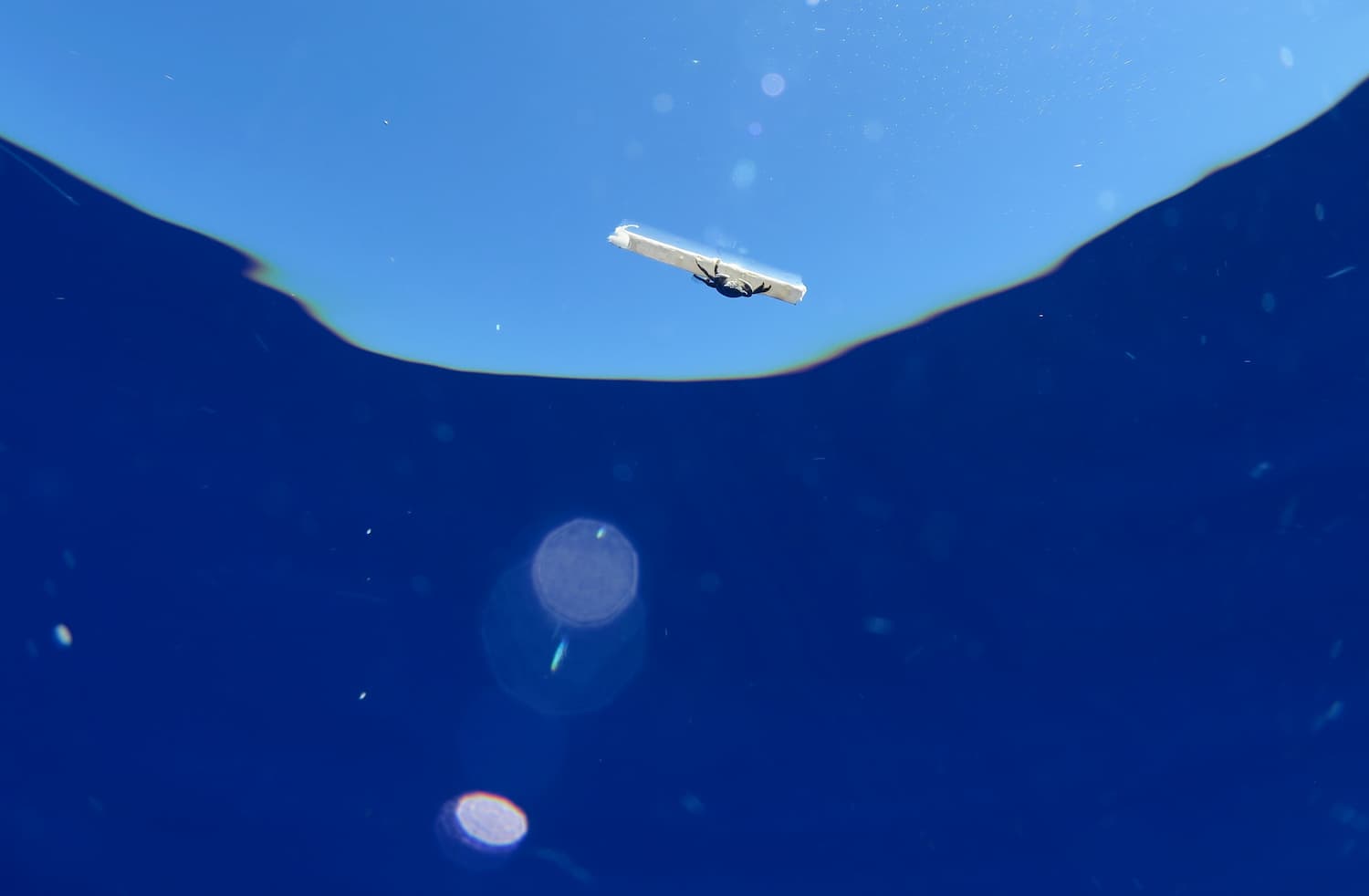
One Health from an Oceanic Perspective
and environmental change for over twenty years, talking about ‘One Health’ is not merely a concept but a tangible reality. Expeditions, particularly those focusing on plastics (Tara Mediterranean, Tara Microplastics) or chemical pollutants in the land-sea continuum (Tara Europa), help to shed light on the complexity of the relationship between living organisms and their environment. For, beneath the apparent simplicity of the ‘One Health’ concept lies extraordinary complexity.
We depend on the health of the ocean
The good health of the ocean is an indisputable prerequisite for the continued health of our species. The ocean’s functions, particularly in terms of oxygen production, climate regulation and the water cycle, partly determine the terrestrial abiotic* factors that we depend on.
From the ocean’s perspective, the definition of ‘the health of humans, domestic and wild animals, plants and ecosystems, which are closely linked and interdependent’ must therefore be clarified.
To interpret the term ‘interdependence’ as implying a symmetrical relationship would be to misinterpret it. Indeed, one can only observe that human health depends on the health of biocoenoses**, and that these biocoenoses depend on the maintenance of biotopes***, and thus on living conditions acceptable to the species that comprise them, including some of the most sensitive among them.
But the reverse is not true: whilst we depend on the health of the ocean, the health of the ocean does not depend on us. It depends on our ability to put an end to the damage we are causing it, including global warming, chemical and plastic pollution, acidification, and so on, as well as direct damage to marine ecosystems (fishing pressure, destruction of coastal ecosystems, and so on).
In short, public health cannot be considered in isolation from environmental health, particularly that of the ocean. It requires us to move beyond an anthropocentric view that confines us and prevents us from thinking of health as a common good that we share with all living things.
*Abiotique : Désigne tout ce qui n’est pas vivant dans un environnement, mais qui influence la vie. Cela comprend des facteurs physiques et chimiques comme la température, la lumière du soleil, l’humidité du sol ou le relief, etc.
*Abiotic: Refers to everything in an environment that is not alive but influences life. This includes physical and chemical factors such as temperature, sunlight, soil moisture and terrain, etc.
**Biocenosis: The totality of living organisms (animals, plants, fungi, bacteria) that coexist and interact through reproduction, predation, symbiosis, parasitism or commensalism, etc., within a given space (the biotope).
***Biotope: A physical environment, defined by abiotic conditions.
Whilst we depend on the health of the ocean, the reverse is not true. The health of the ocean depends above all on our ability to stop harming it. This distinction changes everything. It calls on us to shift from a mindset of domination to one of responsibility. Tara Ocean Foundation
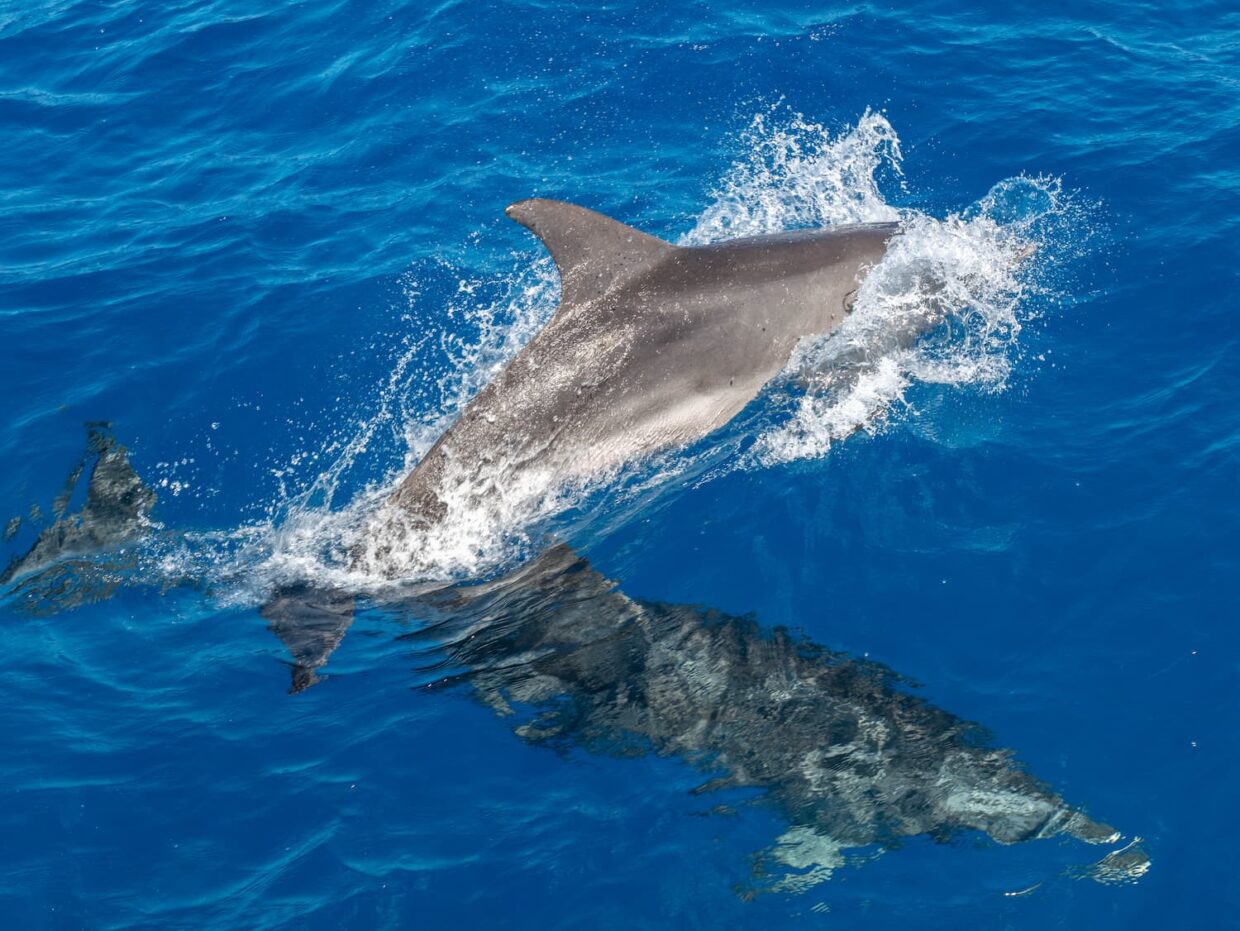
Which disciplines are involved in One Health?
Human medicine, veterinary medicine, epidemiology, ecology, microbiology, toxicology, public health, agronomy, climatology, oceanography, social sciences, law, economics, planning and public policy, … all have a place in this collaborative approach.
This diversity lies at the heart of the work of the OHHLEP High-Level Expert Group, which seeks precisely to create a common language across sectors. The challenge is not to simply add up areas of expertise, but to make them work together.
This is also what the Tara Ocean Foundation achieves through its expeditions, combining scientific observations with advocacy, education, art and awareness-raising. Science alone is not enough to encompass the extraordinary complexity of One Health. Of course, robust scientific findings, backed by significant efforts in public outreach, communication and advocacy, are essential. But, given our limited capacity to understand living things, they are not enough. We must embrace a certain humility and consider other ways of understanding the world, informed by art, the humanities and social sciences, and built on different ethical relationships with living things.
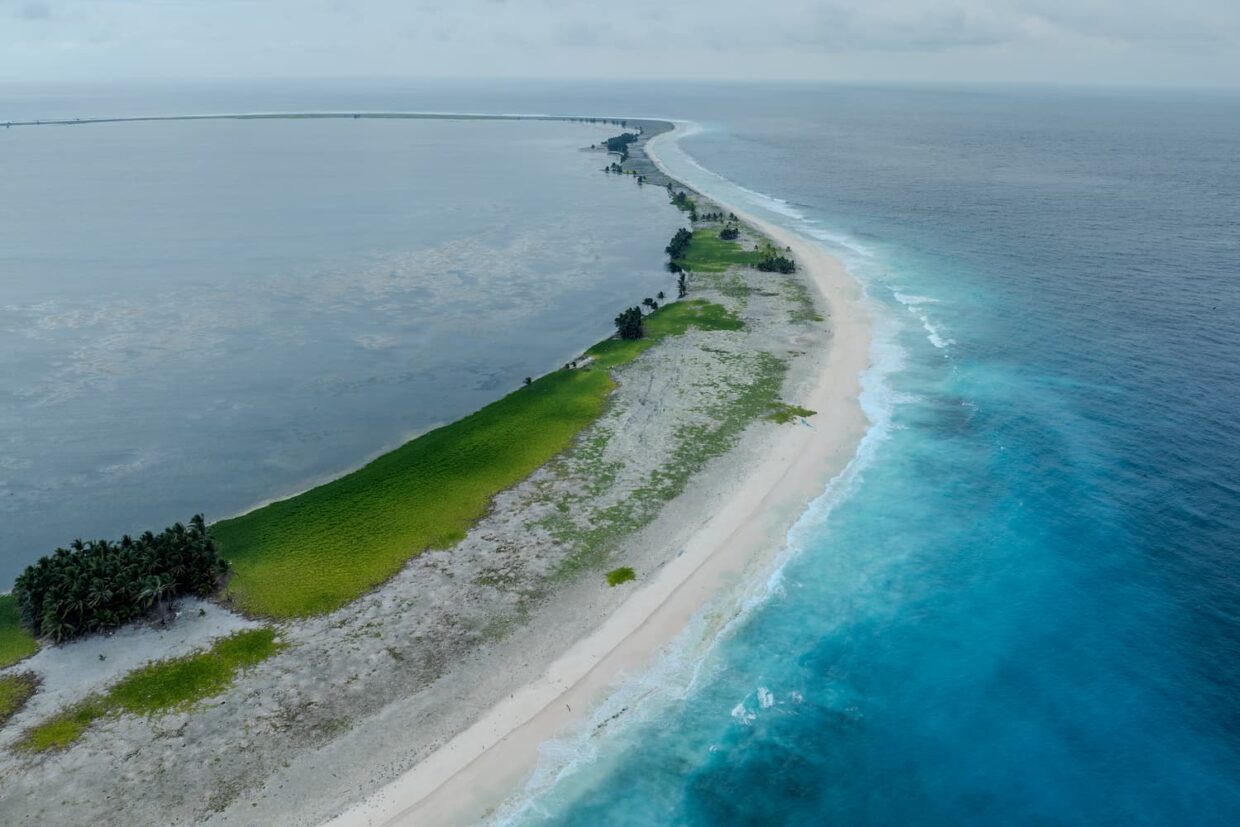
What does the One Health approach actually change?
In a single drop of water, a piece of plastic, an invisible pollutant or a microscopic plankton cell, our future is already being decided. The ocean bears the marks of our excesses, but it also bears witness to the deep connections between chemistry, climate, biodiversity and health.
The environment must no longer be seen as merely an external risk factor, but as the foundation of our shared stability. The Tara Ocean Foundation champions a vision in which protecting the ocean means protecting our physical, mental and social health, as well as the very continuity of the great cycles of life. It is an approach that is at once scientific, political and profoundly human.
One Health invites us to change our perspective. Health is not a compartmentalised realm divided between hospitals, farms, fields and the ocean: it is a living, shared, fragile and interdependent landscape. Rather than merely preventing crises, we choose a more just way of inhabiting the world, with clarity, method and the conviction that protecting life is, in itself, protecting ourselves.
What are the challenges involved in implementing the One Health approach?
The first challenge is to agree on a non-reductive One Health approach. The temptation to be overly anthropocentric is strong; it invariably leads to viewing human health in opposition to the rest of the living world, thereby negating the very essence of One Health.
Next comes practical implementation. Whilst everyone agrees fairly readily on the need to preserve One Health, in practice, budgets, institutions, indicators, professions and decision-making processes often remain separate. We are still asking different government departments to jointly manage problems that none can solve alone. Yet cooperation has become essential. This requires time, shared data, clear governance and common objectives.
The second challenge is scientific. We still know very little about the living world. In 2026, around 242,000 marine species were recorded in WoRMS (World Register of Marine Species), representing approximately 15% of the species thought to inhabit Ocean. At this rate, completing the inventory would take centuries. Even though research into environmental DNA (eDNA) and AI suggests substantial time savings, this catalogue of life will say nothing about individual variations or the relationships that structure and determine biodiversity. This calls for humility, but also caution. Governing a world we understand imperfectly requires a genuine culture of precaution.
The third challenge is political. For the Tara Ocean Foundation, an ambitious strategy should combine prevention, precaution, the fight against plastic and chemical pollution, the reduction of fossil fuel emissions, the restoration of coastal habitats, the restriction of destructive extractive activities, and greater vigilance regarding geoengineering. In other words, an integrated approach only makes sense if it leads to concrete, and sometimes demanding, choices that affect our socio-economic models.
To explore the concept of One Health further, read our document “One Health from the Ocean’s Perspective” (coming soon). For the Tara Ocean Foundation, the integration of the principles of prevention and precaution should be the driving force behind an ambitious “One Health” strategy.
Key takeaways
- One Health is an integrated approach that links human health, non-human animal health, plant health and ecosystem health.
- It has become central to preventing zoonoses, antimicrobial resistance, food safety risks and certain consequences of climate, chemical and plastic pollution.
- The UN officially recognised this approach in 2023, and the FAO, UNEP, WHO and IHR quadripartite partnership is promoting it internationally through an action plan, the One Health Joint Plan of Action.
- The One Health approach requires collaboration between the fields of human and veterinary medicine, ecology, agriculture, public health and public policy.
- Viewed from the ocean’s perspective, One Health reminds us of an often-forgotten truth: we depend on healthy ecosystems.
- For the Tara Ocean Foundation, talking about global health is not merely a concept but a reality observed in the scientific field, from plastics to chemical pollutants, across the land-sea continuum.